
Caring for a senior loved one with dementia is an act of profound love and dedication, but it’s also physically and emotionally demanding. Many caregivers prioritize their loved ones’ health so intensely that they often overlook their own wellbeing until they reach a breaking point. Recognizing the early warning signs of stress is crucial for maintaining your health and ensuring you can continue to provide high-quality care.
How Does Caregiver Stress Physically Affect Your Body and Overall Health?
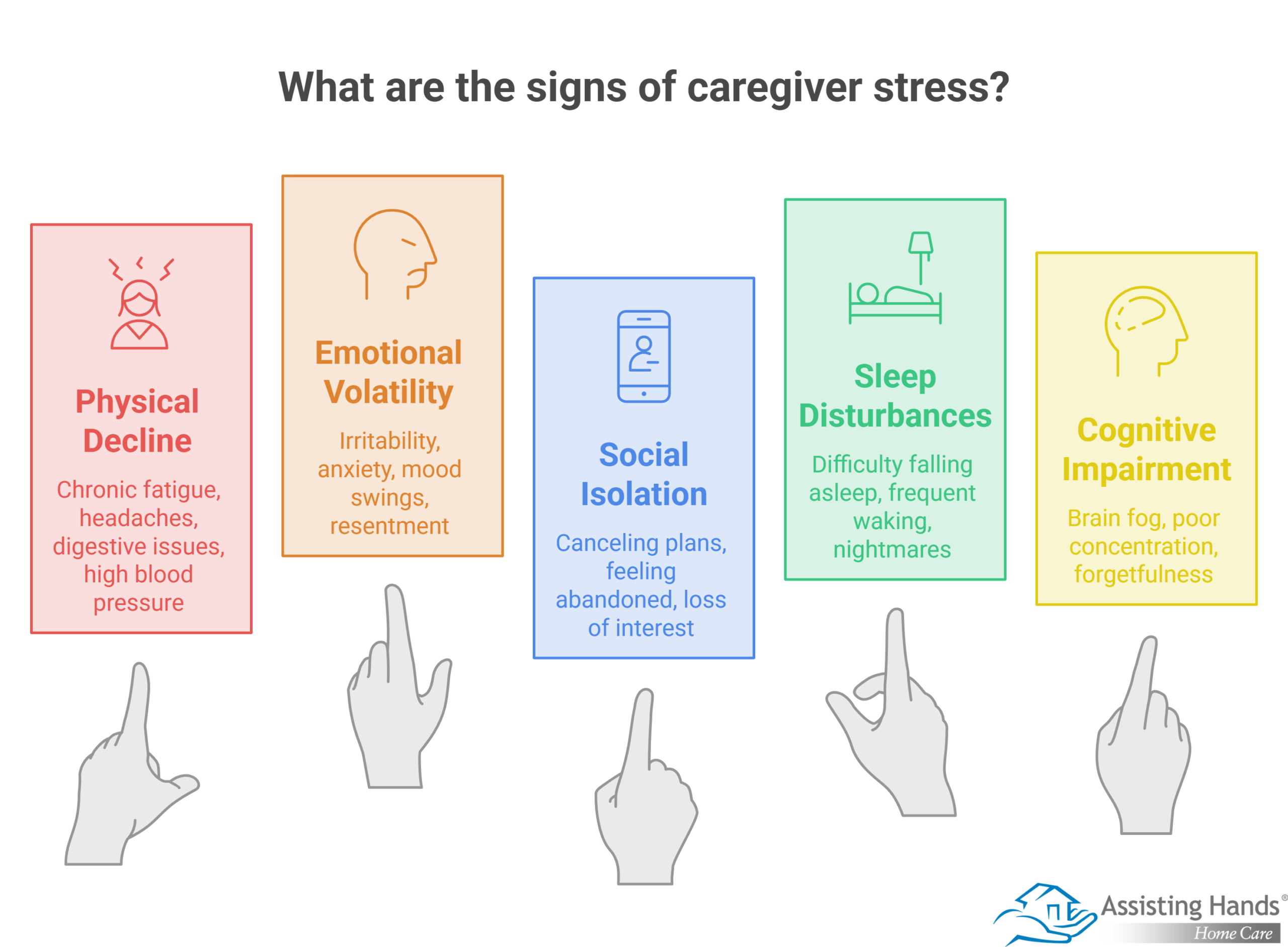
One of the most immediate and noticeable indicators of caregiver stress is a physical decline. This goes beyond the normal tiredness you might feel after a long day. It’s a deep, pervasive fatigue that sleep doesn’t seem to cure. The constant physical demands of caregiving—helping your loved one move, bathe, or dress—combined with the mental vigilance required can deplete the body’s energy reserves.
Furthermore, chronic stress suppresses the immune system. Caregivers often find themselves catching colds or the flu more frequently than they used to, and recovery times may stretch longer than normal. You might also notice significant weight fluctuations, either from stress eating or skipping meals due to a lack of time. Common physical red flags include:
- Chronic fatigue and lethargy throughout the day
- Frequent headaches or body aches without a clear cause
- Digestive issues or changes in appetite
- High blood pressure or heart palpitations
Caring for seniors with dementia can be challenging for family caregivers. Luckily, there is high-quality Portland dementia home care available for seniors and their families. Professional dementia caregivers help seniors with dementia stay safe and comfortable at home by preventing wandering, providing cognitive stimulation, and assisting with household chores.
Why Do Caregivers Become More Emotionally Volatile and Irritable Over Time?
Emotional changes are often the most distressing symptoms for caregivers because they can lead to feelings of intense guilt. Stress significantly lowers your threshold for frustration. You may find yourself becoming easily irritated over minor inconveniences or snapping at your loved one. This is often followed by a wave of remorse, which only compounds the stress.
Beyond irritability, there’s often a sense of looming anxiety or dread about the future. You may feel helpless or hopeless as you watch the progression of dementia in your loved one. This emotional roller coaster can manifest as:
- Sudden mood swings or crying spells
- Feelings of resentment toward your loved one or other family members
- A constant state of worry or anxiety
- Apathy or a lack of interest in activities that used to bring joy
How Does Caring for Someone with Dementia Lead to Social Isolation?
Dementia care can be isolating. As the disease progresses, leaving the house becomes more difficult, and inviting guests over may feel overwhelming due to your loved one’s unpredictable behavior. Over time, you may unintentionally cut ties with your support networks.
You might decline invitations because you’re too tired or feel that friends who aren’t in your situation simply don’t understand what you’re going through. This isolation creates a dangerous cycle. Without social interaction, stress has nowhere to vent, and feelings of loneliness intensify. Signs of social withdrawal include:
- Canceling plans repeatedly or avoiding phone calls
- Feeling abandoned or that others don’t care
- Loss of interest in hobbies or community groups
- Feeling caregiving is the entirety of your identity
Why Does Caregiver Stress Make It So Difficult to Get Restful Sleep?
Sleep is essential for emotional regulation and physical health, yet it’s often the first casualty of caregiver stress. Even when your loved one is sleeping soundly, you may lie awake with your mind racing with to-do lists, financial worries, or anxiety about the next day.
Conversely, some caregivers may use sleep as an escape mechanism, sleeping excessively to avoid facing the reality of their situation. However, the most common pattern is fragmented or poor-quality sleep, often caused by hypervigilance—listening for sounds of your loved one waking up or wandering. Watch for these sleep-related issues:
- Difficulty falling asleep despite being exhausted
- Waking up frequently during the night
- Recurring nightmares or restless sleep
- Relying on medication or alcohol to induce sleep
Seniors can face a variety of age-related challenges. Though some families choose to take on the caregiving duties, there may come a time when they need trusted senior care for their loved ones living in Portland. Families sometimes need respite from their duties so they can focus on their other responsibilities, and some seniors need around-the-clock assistance that their families are not able to provide. Assisting Hands Home Care is here to help.
How Does Long-Term Caregiver Stress Cause Brain Fog and Poor Concentration?
Stress releases hormones like cortisol that, over time, can impair cognitive function. Caregivers often report feeling “scatterbrained” or experiencing a mental fog that makes completing simple tasks difficult. You might find yourself forgetting appointments, misplacing keys, or having difficulty making decisions that usually wouldn’t phase you.
This cognitive overload occurs because the brain is constantly in “survival mode,” prioritizing immediate threats and caregiving tasks over routine information processing. If you notice these mental slips increasing, it’s a strong signal your brain needs a break:
- Trouble focusing on reading or watching TV
- Increased forgetfulness regarding daily responsibilities
- Making uncharacteristic mistakes with finances or medications
- Feeling disorganized and unable to prioritize tasks
Certain age-related conditions can make it more challenging for seniors to age in place safely and comfortably, but 24-hour home care experts are available around the clock to help Portland seniors manage their health. Whether your loved one is living with dementia or recovering from a stroke, you can trust the professional caregivers from Assisting Hands Home Care to enhance his or her quality of life. At Assisting Hands Home Care, we take measures to help seniors prevent illness and injury by assisting with exercise and mobility, preparing nutritious meals, helping with bathing and other personal hygiene tasks, and much more. To create a customized in-home care plan for your loved one, call us today
Frequently Asked Questions
What is dementia home care, and how does it help?
+
Dementia home care provides specialized support for individuals with memory loss, helping them with daily tasks, ensuring safety, and offering emotional and cognitive stimulation.
How do caregivers handle the unique challenges of dementia?
+
Caregivers are trained to manage behaviors like confusion, agitation, and wandering while creating a calm and supportive environment.
Can dementia home care enhance quality of life?
+
Yes, it helps individuals maintain independence, reduces stress for families, and ensures a safe, comfortable living environment.
Is dementia home care available for all stages of the condition?
+
Dementia home care is adaptable and can support individuals at any stage, from early memory loss to advanced care needs.
How do I choose the right dementia home care provider?
+
Look for providers with trained staff, personalized care plans, and experience in dementia care to ensure the best support for your loved one.
