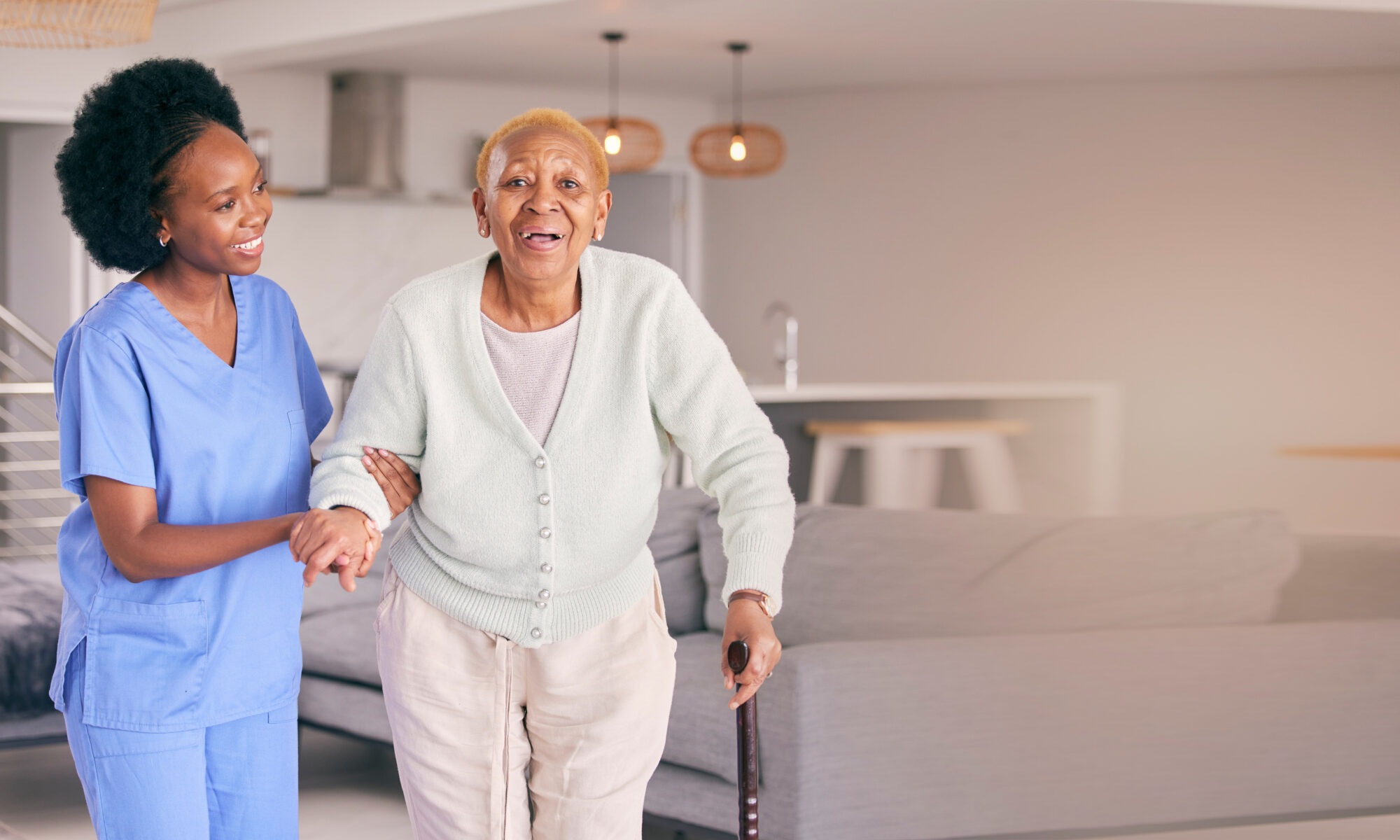
Recovery after a stroke is a long-term process, and for many survivors, home is where the most meaningful progress happens. The right in-home care strategies can help stroke survivors rebuild independence, stay safe, and maintain their quality of life.
What Daily Routines Best Support Stroke Recovery at Home?
Consistent structured routines help the brain rebuild neural pathways—a process known as neuroplasticity.
- Schedule activities at the same time each day to reduce confusion and build familiarity.
- Break tasks into small manageable steps to prevent fatigue and frustration.
- Balance periods of activity with intentional rest to support energy levels.
- Incorporate meaningful activities, such as hobbies or light social interaction, to support emotional wellbeing.
Recovering from a stroke, managing the symptoms of Alzheimer’s, and a variety of other health-related situations can make it difficult for a senior to continue living at home without someone there to help. Portland 24-hour home care professionals are trained to help seniors who need 24/7 assistance. With the help of an around-the-clock caregiver, your elderly loved one can maintain a higher quality of life while aging in place.
How Can Home Environments Be Adapted for Stroke Survivor Safety?
Modifying the home reduces fall risk and helps survivors move more confidently and independently.
- Install grab bars in bathrooms and near stairs.
- Remove loose rugs, cords, and clutter from high-traffic areas.
- Rearrange furniture to create clear wide pathways for those using mobility aids.
- Ensure adequate lighting in all rooms, especially hallways and bathrooms.
- Consider a medical alert device for added safety when caregivers aren’t present.
One of the most challenging tasks of helping an elderly relative age in place safely and comfortably is researching agencies that provide home care. Families can turn to Assisting Hands Home Care for reliable, high-quality Portland senior home care for aging adults. We offer 24-hour care for seniors who require extensive assistance, and we also offer respite care for family caregivers who need a break from their caregiving duties.
What Physical Rehabilitation Activities Can Be Done at Home?
Regular physical activity is one of the most important factors in stroke recovery, and many exercises can be done safely at home.
- Practice range-of-motion exercises for affected limbs to maintain flexibility.
- Use everyday tasks—like folding laundry or preparing simple meals—as functional rehabilitation opportunities.
- Walk regularly, starting with short distances and gradually increasing as strength increases.
- Work with an occupational or physical therapist to develop a personalized at-home exercise plan.
How Can Caregivers Support Cognitive and Emotional Recovery?
Stroke can affect memory, concentration, and emotional regulation, so cognitive and emotional support are key parts of in-home care.
- Engage survivors in mentally stimulating activities, such as puzzles, reading, or card games.
- Use visual cues—like labeled drawers or written schedules—to support memory.
- Encourage open conversations about emotions, as depression and anxiety are common after stroke.
- Maintain social connections through regular visits, phone calls, or video chats with friends and family.
What Communication Strategies Help when a Stroke Survivor Has Aphasia?
Aphasia, a condition that affects the ability to speak or understand language, requires patient and adapted communication approaches.
- Speak slowly and clearly, using short sentences.
- Allow extra time for the survivor to process and respond without rushing.
- Use gestures, pictures, or written words to support verbal communication.
- Celebrate small communication wins to build confidence and motivation.
Family caregivers need to care for their own wellbeing. If you’re caring for an aging loved one and are feeling overwhelmed, consider hiring a professional caregiver to provide hourly, live-in, or overnight care Portland families can trust. To prevent burnout, you can turn to Assisting Hands Home Care. One of our professional caregivers can assist your loved one at home while you take a nap, go to work, or run errands. Call today to speak with a friendly and experienced Care Specialist to formulate a home care plan for your loved one.
Frequently Asked Questions
How long does stroke recovery typically take at home?
+
Recovery timelines vary widely depending on stroke severity and the individual. Many survivors see the most significant progress in the first three to six months, though meaningful improvement can continue for years with consistent effort.
What’s the caregiver’s most important role in at-home stroke recovery?
+
A caregiver’s most important role is providing consistent support while encouraging as much independence as the survivor can safely manage. Balancing assistance with autonomy prevents learned helplessness and supports long-term recovery.
Are there assistive devices that help stroke survivors at home?
+
Yes. Common assistive devices include grab bars, shower chairs, adaptive utensils, communication boards, and mobility aids such as canes or walkers. The right devices depend on the survivor’s specific challenges and abilities.
Can stroke survivors regain independence with the right in-home care strategies?
+
Many stroke survivors do regain significant independence over time with structured rehabilitation, a safe home environment, and consistent caregiver support. The degree of recovery depends on factors like stroke severity, age, and the consistency of rehabilitation efforts.
How can caregivers avoid burnout while supporting a stroke survivor?
+
Caregivers should set realistic expectations, accept help from others, and prioritize their own rest and wellbeing. Connecting with a caregiver support group can also provide valuable emotional support and practical advice.
