Smart home devices can significantly enhance in-home dementia care safety by automating daily tasks, monitoring movement, reducing fall risks, and alerting caregivers to unusual activity, all of which can help people with dementia live more independently while giving families greater peace of mind.
Smart home technology offers practical, affordable solutions for keeping people with dementia safer at home. With the right devices in place, caregivers and family members can reduce common risks and better support their senior loved ones’ daily routines.
What Types of Smart Home Devices Are Most Useful for Dementia Care Safety?
Several categories of smart home devices are particularly well suited for dementia care:
- Smart speakers (e.g., Amazon Echo, Google Nest) can set medication reminders and answer simple questions using voice commands.
- Motion sensors detect unusual activity patterns and alert caregivers when something seems off.
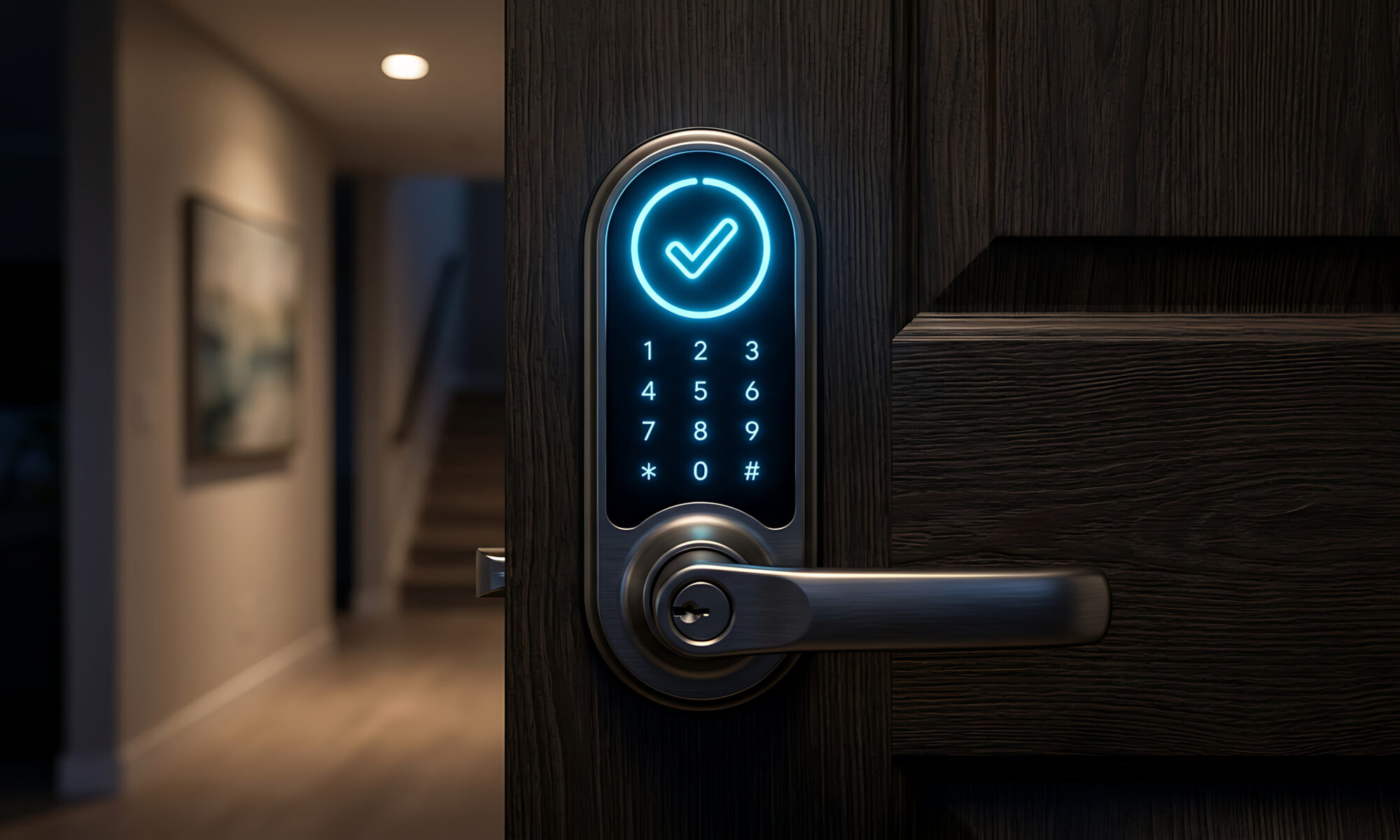
- Smart door locks and alarms prevent unsupervised wandering, which is one of the most serious safety risks for people with dementia.
- Video doorbells and indoor cameras allow remote monitoring without being intrusive.
- Smart stoves and outlet covers reduce the risk of fire and electrical accidents.
How Do Smart Home Devices Prevent Wandering?
Wandering affects up to 60 percent of people with dementia, according to the Alzheimer’s Association. Smart home technology can reduce this risk through:
- Door and window sensors that trigger alerts when opened unexpectedly
- GPS tracking devices worn as watches or pendants that share real-time location with caregivers
- Smart locks that require codes or apps to open from the inside
- Motion-activated lighting that guides seniors safely back to their bedrooms at night
Caring for seniors with dementia can be challenging for family caregivers. Luckily, there is high-quality dementia home care available for Portland seniors and their families. Professional dementia caregivers help seniors with dementia stay safe and comfortable at home by preventing wandering, providing cognitive stimulation, and assisting with household chores.
How Can Smart Devices Support Daily Routines for Someone with Dementia?
Consistency is critical for people with dementia, and smart devices can help them maintain structure throughout the day:
- Automated lighting that gradually brightens in the morning and dims at night supports natural sleep-wake cycles.
- Smart displays (e.g., Google Nest Hub) can show photos, play familiar music, and display calendar reminders.
- Voice-activated assistants can remind someone to eat, drink water, or take a break.
- Automated thermostats maintain a comfortable consistent temperature without requiring any input.
Certain age-related conditions can make it more challenging for older adults to age in place safely and comfortably, but experts in 24-hour home care Portland families can trust are available around the clock to help aging adults manage their health. Whether your loved one is living with dementia or recovering from a stroke, you can trust the professional caregivers from Assisting Hands Home Care to enhance his or her quality of life.
What Should Caregivers Consider before Setting Up Smart Home Devices?
Not every smart device will suit every household or individual. Caregivers should consider:
- Ease of use – Choose devices with simple interfaces and minimal buttons.
- Privacy – Ensure any cameras or monitoring tools respect your loved one’s dignity and privacy.
- Reliability – Opt for devices with strong Wi-Fi connectivity and battery backup options.
- Compatibility – Select devices within the same ecosystem (e.g., all Apple HomeKit or all Amazon Alexa) to simplify setup and management.
- Cost – Many effective solutions, such as basic motion sensors and smart plugs, are available for under $50.
How Do Caregivers Stay Informed Using Smart Home Technology?
Most smart home platforms offer caregiver-facing apps that consolidate alerts and activity data in one place:
- Real-time push notifications can flag unusual behavior, such as no movement detected by mid-morning.
- Activity logs provide a historical view of daily patterns, making it easier to spot changes over time.
- Some platforms, such as Amazon Alexa Together, are designed specifically for remote caregiving and include check-in features and emergency alerts.
One of the most challenging tasks of helping an elderly relative age in place safely and comfortably is researching agencies that provide home care. Families can turn to Assisting Hands Home Care for reliable, high-quality Portland homecare services for aging adults. We offer 24-hour care for seniors who require extensive assistance, and we also offer respite care for family caregivers who need a break from their caregiving duties. Whether your loved one needs minor help with daily tasks or extensive 24-hour care, give us a call today.
Frequently Asked Questions
Are smart home devices difficult to set up for someone unfamiliar with technology?
+
Most modern smart home devices are designed for straightforward setup using a smartphone app, and many retailers offer in-home installation services for an additional fee.
Can smart home devices fully replace a human caregiver for someone with dementia?
+
Smart home devices are supportive tools, not replacements for human caregiving. They work best as a complement to in-person care and regular check-ins.
What happens if the internet goes down and a smart device stops working?
+
Many devices have offline backup functions, such as local alarms or battery-operated modes, but it’s important to check each product’s offline capabilities before purchasing.
Are there privacy concerns with using cameras and monitoring devices in the home?
+
Yes. It’s important to use cameras responsibly, limit recording to common areas, and—where possible—involve the loved one with dementia in decisions about monitoring.
How much does a basic smart home safety setup for dementia care typically cost?
+
A basic setup including a smart speaker, motion sensors, and door alarms can cost as little as $100–$200, with more comprehensive systems ranging from $500 and up depending on the devices chosen.
