Blog

By Janel Rieder, RN, BSN., 8:00 am on October 12, 2026

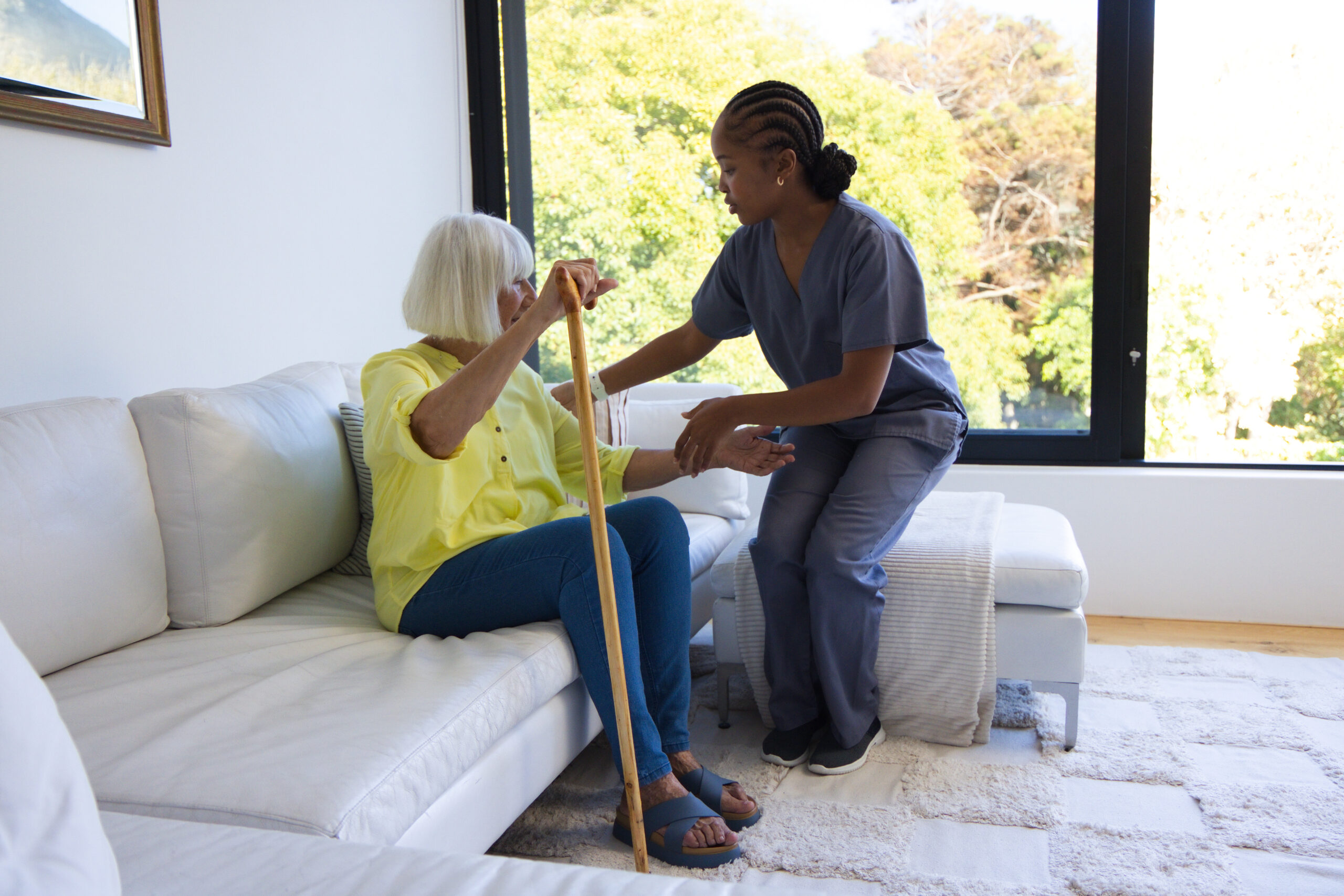
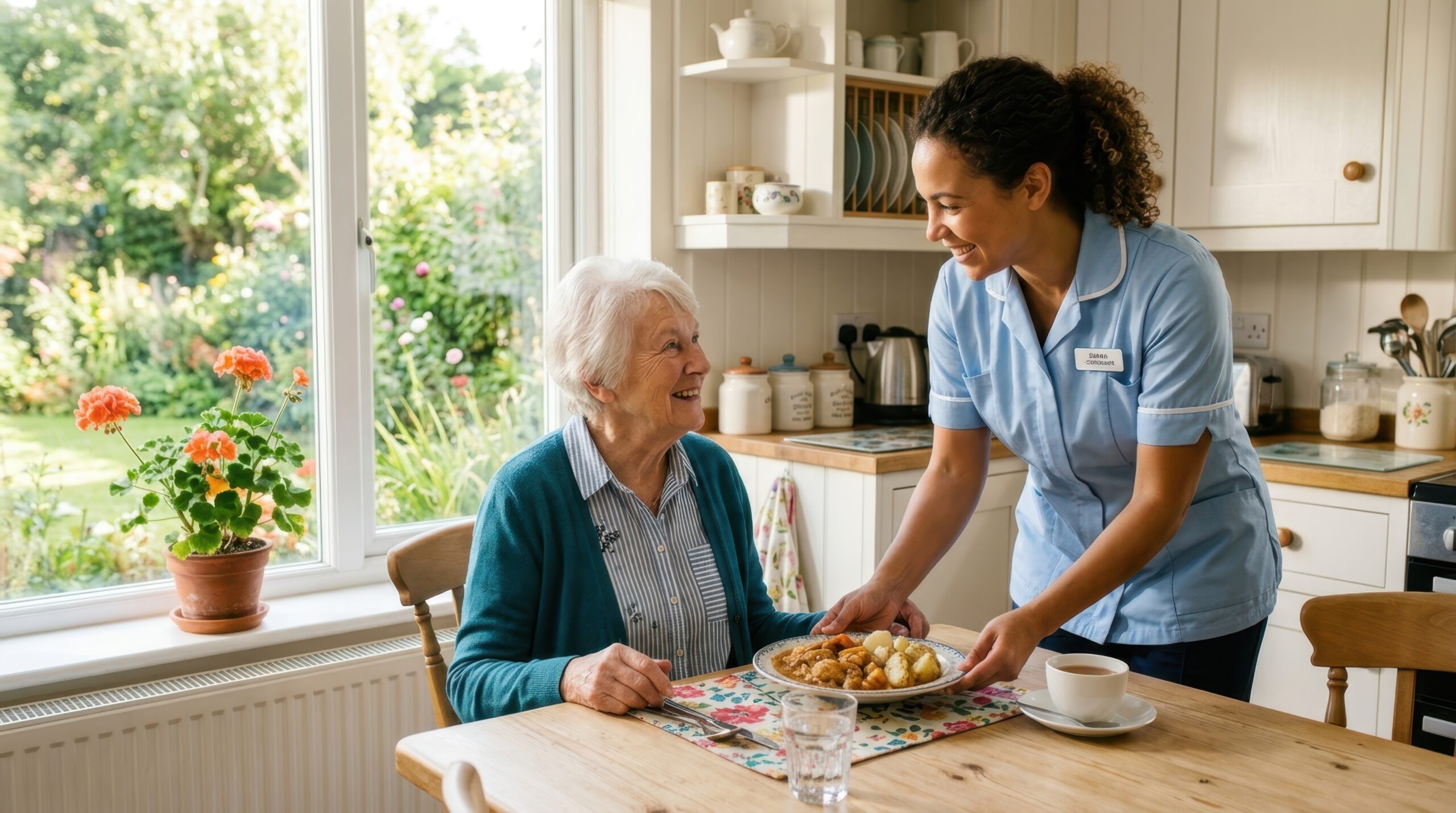
It may be time for in-home care when your senior loved one experiences difficulty with daily tasks like cooking, bathing, or managing medications, especially if safety risks, noticeable weight loss, or signs of isolation or cognitive decline have started to appear. Recognizing the right time for in-home care is one of the most important decisions a family can make for…

By Janel Rieder, RN, BSN., 8:04 pm on October 5, 2026

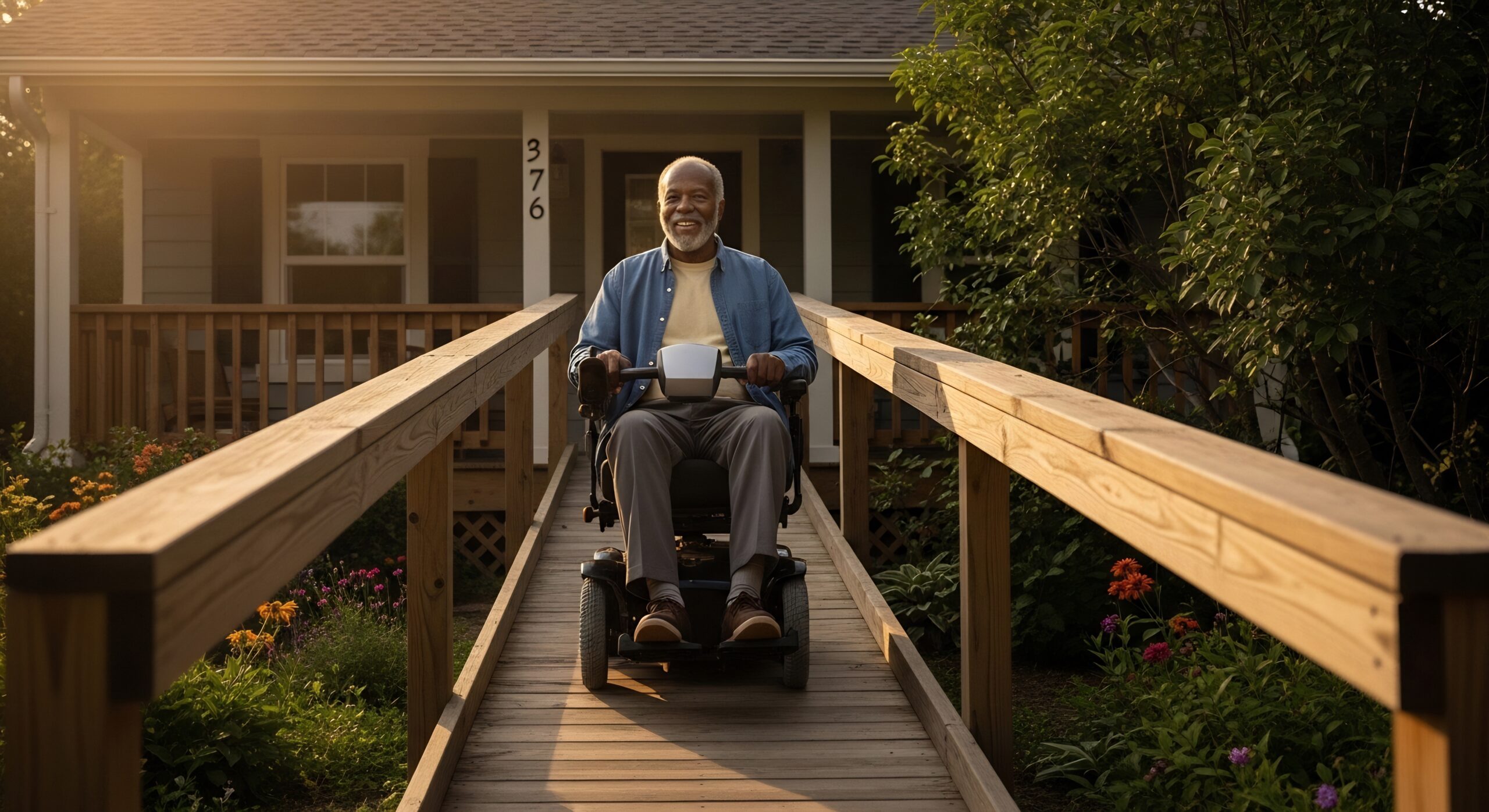
Navigating wheelchair accessibility at home involves assessing your living space, prioritizing key modifications like ramps and widened doorways, and selecting the right wheelchair to support safe, independent care at home. Making a home wheelchair accessible is one of the most impactful steps toward supporting independence and quality of life for wheelchair users. With the right planning and modifications, most homes…

By Janel Rieder, RN, BSN., 8:00 am on September 28, 2026

Senior in-home care services often include hidden costs beyond the advertised hourly rate, such as agency fees, holiday surcharges, and supply expenses, which can significantly increase monthly bills. Understanding these charges up front helps families plan more accurately and avoid financial surprises. What Agency and Administrative Fees Are Typically Charged? Many in-home care agencies charge fees on top of the…

By Janel Rieder, RN, BSN., 8:00 am on September 21, 2026

Smart home devices can significantly enhance in-home dementia care safety by automating daily tasks, monitoring movement, reducing fall risks, and alerting caregivers to unusual activity, all of which can help people with dementia live more independently while giving families greater peace of mind. Smart home technology offers practical, affordable solutions for keeping people with dementia safer at home. With the…

By Janel Rieder, RN, BSN., 8:00 am on September 14, 2026

Managing wandering risks in senior in-home care requires a combination of environmental modifications, monitoring technology, caregiver training, and emergency protocols to keep seniors safe at home. Wandering is one of the most serious safety concerns for seniors receiving in-home care, particularly those living with dementia or Alzheimer’s disease. According to the Alzheimer’s Association, 6 in 10 people with dementia will…

By Janel Rieder, RN, BSN., 8:00 am on September 7, 2026

Facilitating meaningful family connections during long-term in-home care involves creating consistent routines, using technology to bridge distance, and encouraging shared activities that reinforce emotional bonds, helping both the care recipient and the family feel supported and connected throughout the care journey. Long-term in-home care doesn’t have to mean growing apart. With intentional effort and the right strategies, families can maintain—and…

By Janel Rieder, RN, BSN., 8:00 am on August 24, 2026

Families and care agencies can overcome language barriers between seniors and in-home care providers by utilizing translation technology, hiring bilingual staff, and relying on visual aids to ensure clear communication. Effective communication is essential for maintaining safe, comfortable, and supportive environments for elderly individuals receiving care at home. Implementing these straightforward strategies helps both the senior and the care provider…

By Janel Rieder, RN, BSN., 8:00 am on August 17, 2026

Finger foods make mealtime easier for seniors with dementia because they’re easy to pick up, eat without utensils, and encourage independence. Soft fruits, cheese cubes, mini sandwiches, and steamed vegetables are great options that combine nutrition with simplicity. The right choices can reduce mealtime stress for both seniors and caregivers. Why Are Finger Foods Helpful for Seniors with Dementia? Finger…

By Janel Rieder, RN, BSN., 8:00 am on August 10, 2026

Specialized in-home care significantly enhances COPD patient outcomes by promoting healthier daily routines, minimizing environmental triggers, and boosting overall quality of life. This tailored approach ensures individuals receive the practical daily support they need to navigate their condition comfortably. By focusing on lifestyle management, in-home caregivers empower people with COPD to maintain their independence and emotional stability. How Does In-Home…

By Janel Rieder, RN, BSN., 8:00 am on August 3, 2026

Recovery after a stroke is a long-term process, and for many survivors, home is where the most meaningful progress happens. The right in-home care strategies can help stroke survivors rebuild independence, stay safe, and maintain their quality of life. What Daily Routines Best Support Stroke Recovery at Home? Consistent structured routines help the brain rebuild neural pathways—a process known as…