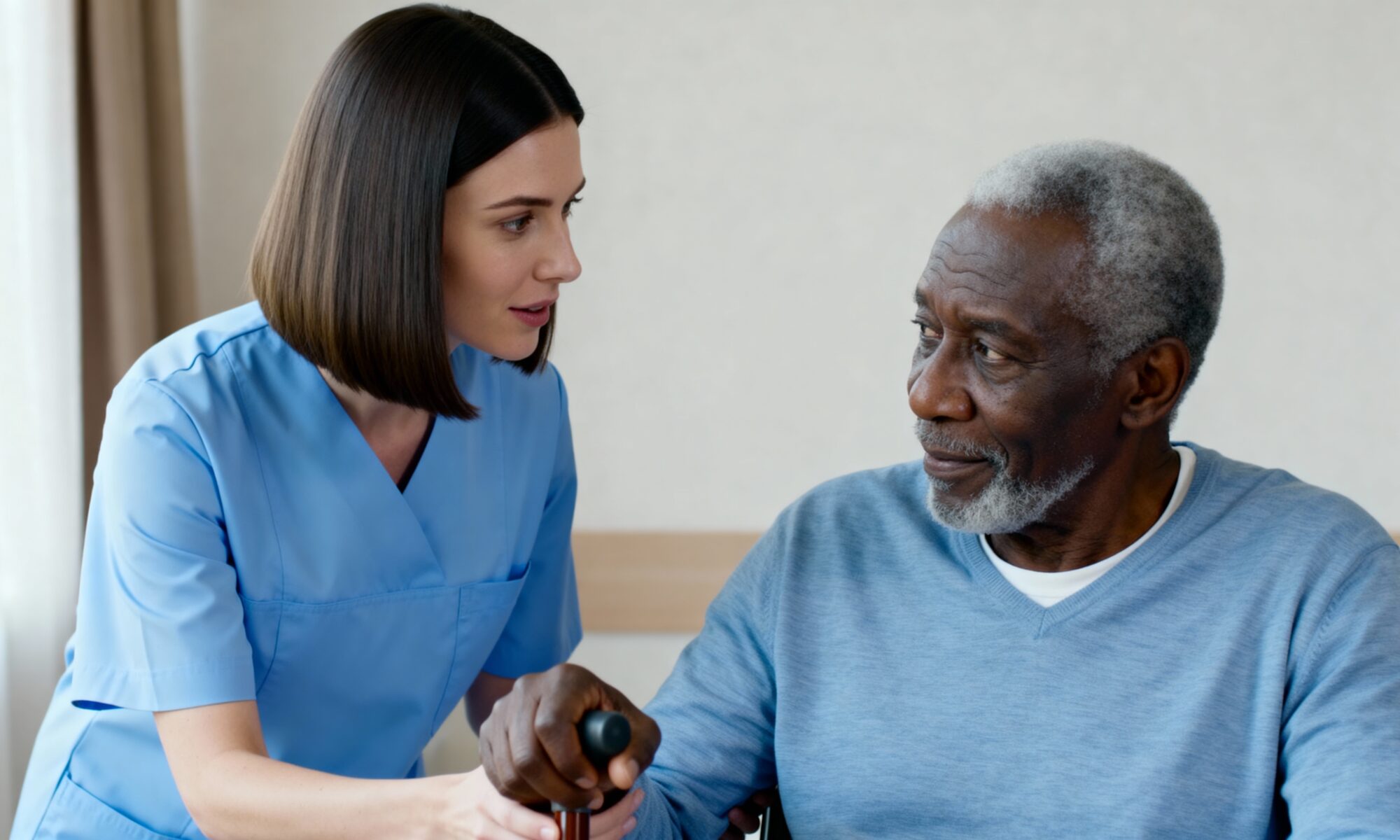
Integrating PTSD support into veterans home care plans means creating safe, structured daily environments that promote emotional wellbeing alongside standard household assistance. By focusing on personalized routines and trigger management, caregivers can significantly enhance quality of life for those who have served. This guide explores how to seamlessly blend emotional support strategies into everyday home care.
What Are the Common Signs of PTSD in Veterans?
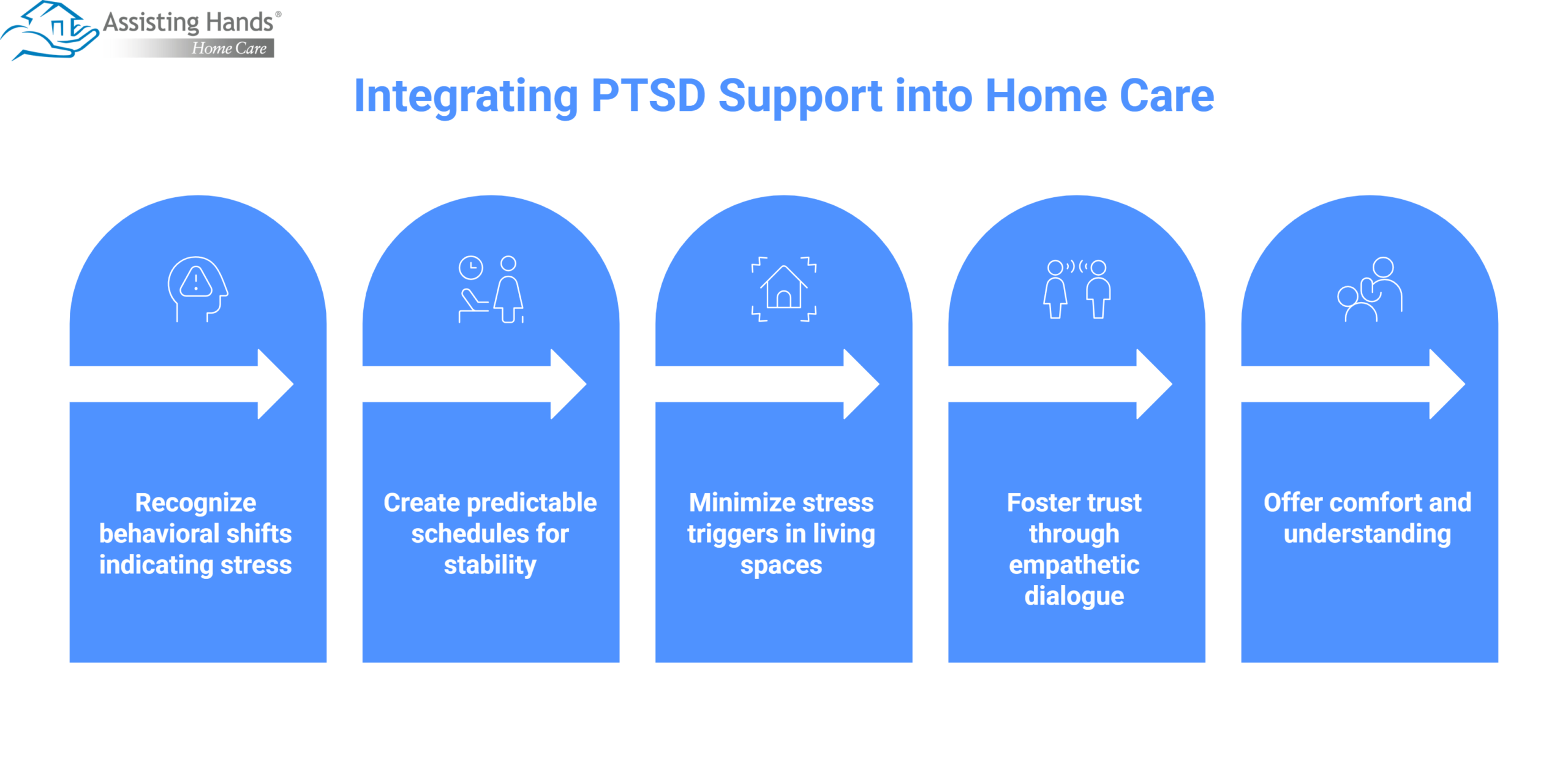
Caregivers should look for behavioral shifts that indicate stress or discomfort in daily life. Common indicators include:
- Avoidance of crowded places or loud noises
- Sudden mood swings or irritability
- Difficulty maintaining a regular sleep schedule
- Hypervigilance or feeling constantly on edge
How Can Daily Routines Provide Emotional Stability?
Establishing a predictable daily schedule can reduce anxiety by eliminating unexpected surprises. A well-structured day might involve set times for waking up, eating meals, and engaging in relaxing hobbies. Knowing what to expect allows veterans to feel a greater sense of control and safety within their home environments.
Many veterans prefer living at home over moving to assisted living facilities. If your loved one needs assistance to remain safe and comfortable while living at home, reach out to Assisting Hands Home Care, a leading provider of home care Portland veterans and families can rely on for compassionate, high-quality service. Our dedicated in-home caregivers can assist with meal prep, bathing and grooming, exercise, medication reminders, and many other important tasks.
What Steps Help in Creating a Calm Home Environment?
Adapting the physical living space is crucial for minimizing potential stress triggers. Caregivers and family members can achieve this by:
- Keeping living areas organized and free of clutter
- Using soft natural lighting instead of harsh fluorescent bulbs
- Minimizing sudden loud noises from televisions, appliances, or radios
- Establishing quiet zones where the veteran can retreat if overwhelmed
Stress triggers can happen at any time of day or night, which can make it difficult for senior veterans with PTSD to continue living at home without someone there to help. Portland 24-hour home care professionals are trained to help seniors who need 24/7 assistance. With the help of an around-the-clock caregiver, your elderly loved one can maintain a higher quality of life while aging in place.
Why Is Open Communication So Important for Caregivers?
Maintaining clear, empathetic dialogue ensures the veteran’s personal boundaries and emotional needs are consistently respected. Caregivers should actively listen without judgment, allowing seniors to express their feelings at their own pace. This builds a foundation of trust that makes all other aspects of home care more effective.
Being able to stay in the familiar surroundings of home is especially beneficial for the emotional wellbeing of veterans with PTSD who are also living with cognitive decline due to dementia. Aging in place can present a few challenges for seniors living with dementia. However, with professional dementia home care that offers Portland families peace of mind, they can still live independently at home. Families can rely on Assisting Hands Home Care to provide their elderly loved ones with mental and social stimulation, timely medication reminders, assistance with meal prep, and much more. Our caregivers are available around the clock to help your loved one live a happier and healthier life. Assisting Hands Home Care will work with you to tailor a care plan that’s just right for your loved one’s needs. Call one of our friendly Care Specialists today to learn more about our customized care plans.
Frequently Asked Questions
How do I handle a sudden panic attack at home?
+
Remain calm, give your loved one space, and gently encourage him or her to practice deep breathing exercises. Avoid making sudden movements or pressuring your loved one to talk until he or she feels ready.
Can household chores be triggers for veterans?
+
Yes, certain tasks involving loud noises, such as vacuuming, can sometimes trigger distress. It’s best to schedule these activities when your loved one is out or has agreed to the timing.
What should I do if my loved one refuses to follow a daily routine?
+
Offer gentle encouragement rather than forcing the schedule, and try to understand what specific part of the routine is causing resistance. Flexibility is key, so adjust the plan to better fit your loved one’s current emotional state.
Are pets beneficial for veterans living with PTSD?
+
Animal companionship often provides immense emotional comfort and a sense of security. Interacting with a pet can lower stress levels and ground individuals during difficult moments.
