
Caring for a senior loved one with dementia comes with significant challenges, from managing day-to-day tasks to ensuring safety and communication. However, technology is becoming an increasingly valuable ally for dementia caregivers, offering tools and innovations to lighten the caregiving load and enhance quality of life for both caregivers and their loved ones.
Monitoring and Safety Tools
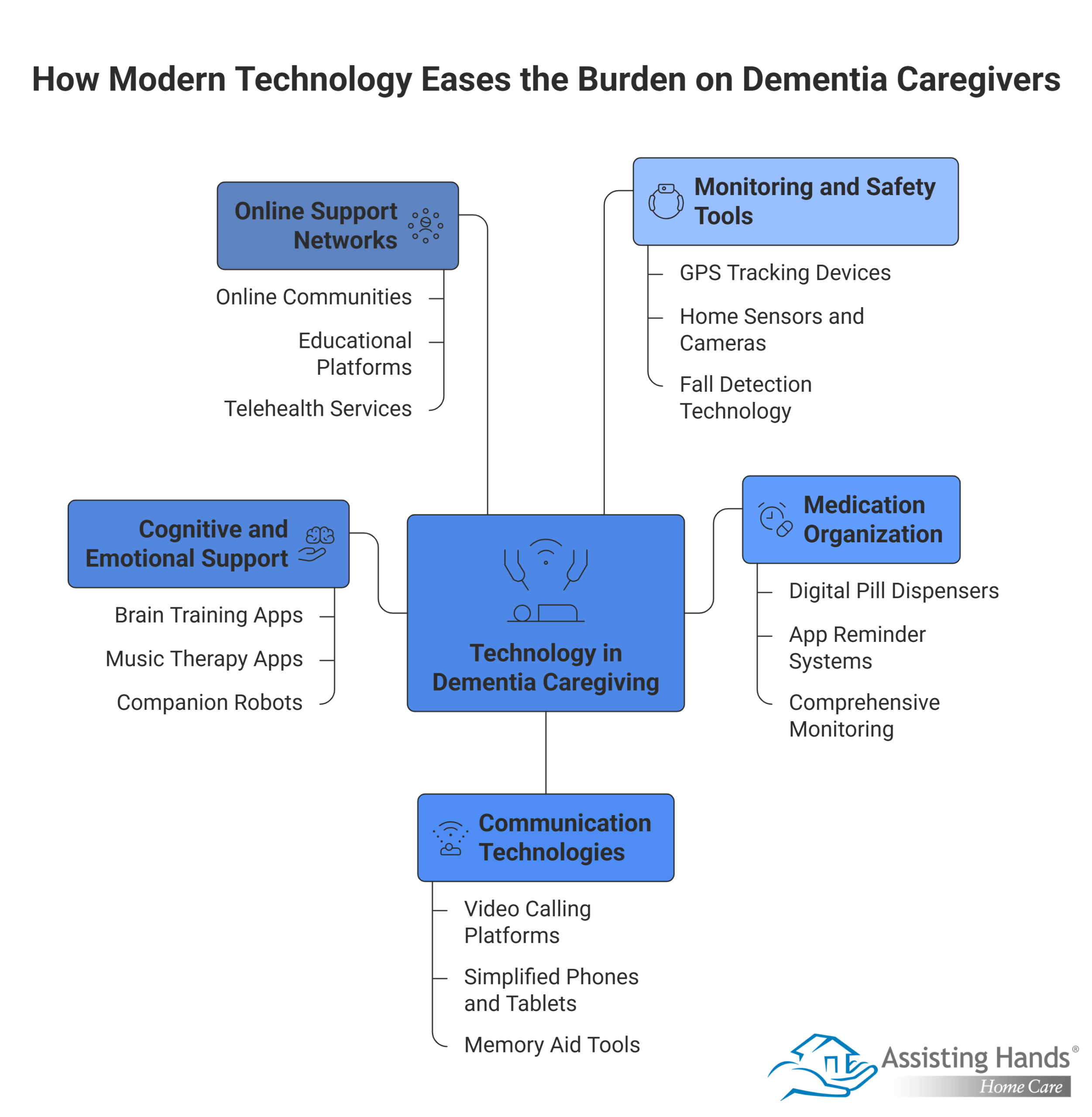
One of the primary concerns for caregivers is ensuring the safety of their loved ones with dementia, especially as wandering and disorientation are common. Technology now provides several solutions:
- GPS tracking devices – Wearable devices like smartwatches and GPS trackers help caregivers monitor their loved ones’ location in real time. This is particularly valuable for preventing wandering-related incidents.
- Home sensors and cameras – Motion sensors, door alarms, and surveillance cameras offer peace of mind by alerting caregivers to unusual movements or potential hazards within the home.
- Fall detection technology – Devices equipped with fall sensors can notify caregivers immediately in case of a fall, enabling quick action and potentially preventing further injuries.
Caring for seniors with dementia can be challenging for family caregivers. Luckily, there is dementia care Portland families can rely on. Professional dementia caregivers help seniors with dementia stay safe and comfortable at home by preventing wandering, providing cognitive stimulation, and assisting with household chores.
Medication Organization Apps and Devices
Cognitive decline can especially challenge medication organization. Missing or overdosing on medications poses a significant health risk. Several tools are available to bridge these gaps:
- Digital pill dispensers – Automated dispensers organize and release prescheduled doses of medication while notifying caregivers if a dose is missed.
- App reminder systems – User-friendly apps like Medisafe send daily notifications to caregivers and seniors to ensure medications are taken on time.
- Comprehensive monitoring – Advanced systems can synchronize with smartphones, giving caregivers complete oversight of medication schedules and adherence.
There are a variety of age-related health conditions that can make it more challenging for seniors to live independently. However, many of the challenges they face can be easier to address if their families opt for professional senior home care Phoenix. You can rely on expertly trained caregivers to keep your loved one safe and comfortable while aging in place.
Communication Technologies
Maintaining communication with a loved one with dementia, especially in the later stages, can be particularly difficult. Technology fills this gap with tools designed for simple, effective interaction:
- Video calling platforms – Apps such as Zoom or Skype make it easier for family members to stay connected, even at a distance. This interaction reduces feelings of isolation and strengthens emotional bonds.
- Simplified phones and tablets – Devices with large buttons, simple controls, and clear displays are designed specifically for older adults with cognitive impairments.
- Memory aid tools – Applications like reminiscence therapy apps enable caregivers to share photos, music, or videos from the past to trigger positive emotional responses and enhance communication.
Cognitive and Emotional Support
Technology also offers solutions aimed at supporting cognitive functions and emotional wellbeing for people with dementia:
- Brain training apps – Digital tools like Lumosity or Elevate offer memory games and exercises designed to stimulate cognitive abilities.
- Music therapy apps – Listening to familiar music can evoke memories or calm agitation. Platforms like Spotify paired with personalized playlists can be incredibly impactful.
- Companion robots – AI-powered devices like Paro or ElliQ act as interactive companions, reducing loneliness and providing emotional comfort.
Online Support Networks for Caregivers
While technology helps seniors, it’s also there for caregivers. Peer support and knowledge sharing play essential roles in easing the challenges of caregiving:
- Online communities – Forums and social media groups such as those on Facebook provide a sense of community, allowing caregivers to share advice, experiences, and encouragement.
- Educational platforms – Websites and apps like those of the Alzheimer’s Association or Teepa Snow provide resources, tips, and training videos to build caregivers’ confidence in managing challenging behaviors.
- Telehealth services – Virtual consultations with doctors and dementia specialists save time and offer immediate assistance for caregivers with pressing questions.
Technology can enhance safety and quality of life for seniors with dementia, and so can having a trained caregiver close by. Seniors can face a variety of challenges as they age, many of which can be mitigated with the help of professional in-home caregivers who provide high-quality at-home care. When considering the difference between a caregiver vs caretaker, it’s clear that only a caregiver can provide the compassionate support seniors need daily. Portland families trust Assisting Hands Home Care to help their elderly loved ones age in place safely and comfortably. If you need professional care for your loved one, reach out to one of our Care Specialists today.
