Creating a home environment that’s safe, comfortable, and supportive for a senior loved one living with dementia can significantly enhance his or her quality of life. By making thoughtful adjustments and incorporating practical solutions, you can reduce confusion, enhance your loved one’s wellbeing, and maintain his or her sense of independence for as long as possible. Here are some key steps to transform your home into a dementia-friendly space.
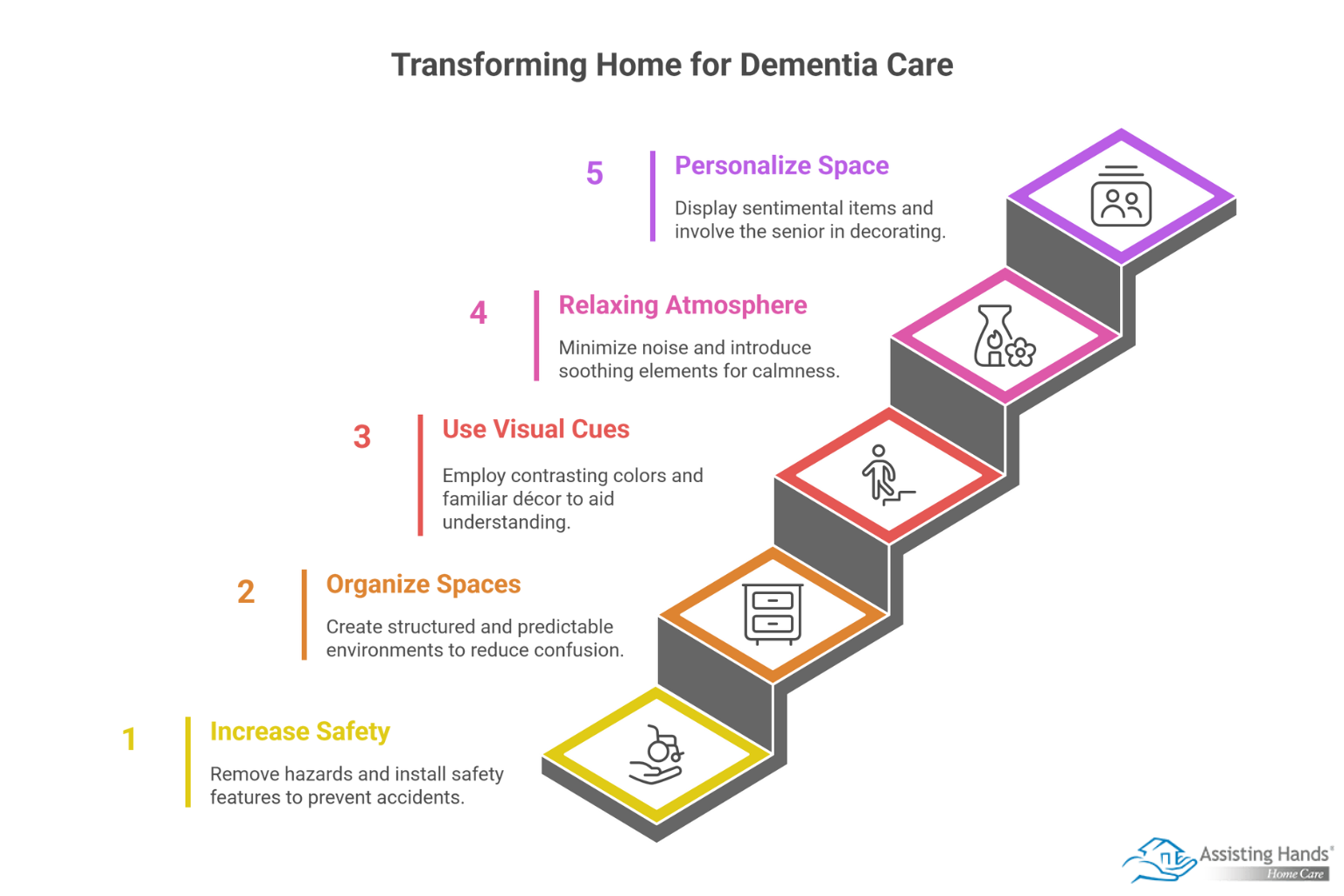
Increase Safety Around the House
Safety is one of the most important considerations when adapting a home for someone with dementia. Cognitive decline and memory issues can increase the risk of accidents. Here’s how you can make the space safer:
- Remove tripping hazards like loose rugs, cluttered areas, and electrical cords.
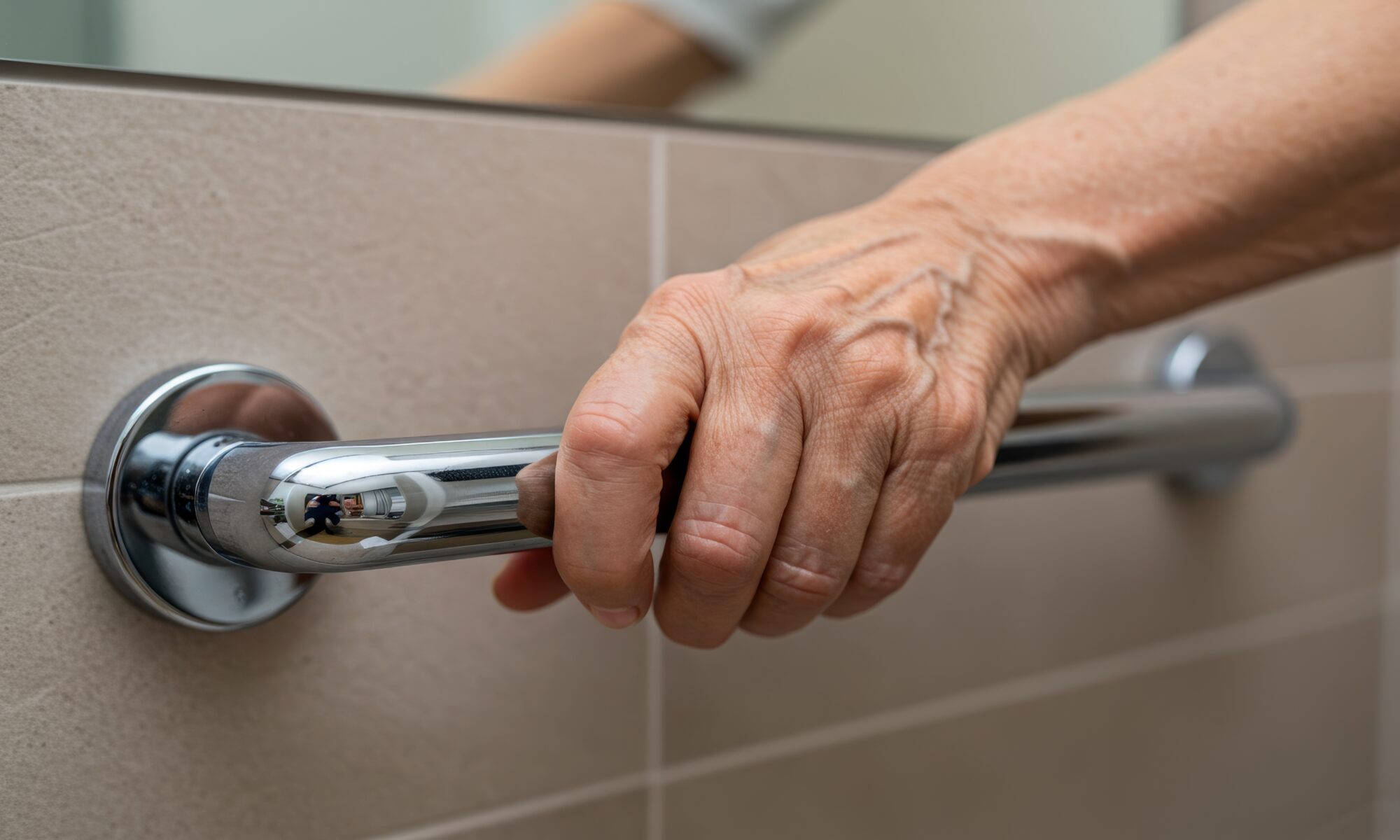
- Install grab bars and handrails in key areas, such as the bathroom, hallway, and stairs.
- Lock up medications, cleaning supplies, and sharp objects to prevent accidental misuse or injury.
- Ensure good lighting throughout the house to minimize shadows and reduce the risk of falls.
- Use temperature regulators on appliances like water heaters to avoid burns.
By addressing these safety concerns, you can create a home that minimizes risks and fosters peace of mind.
The cognitive challenges that accompany dementia often leave aging adults unable to manage everyday tasks, which puts their safety and health at risk. If your senior loved one has been diagnosed with a serious condition and needs help with tasks like meal prep, transportation, medication reminders, bathing, and grooming, reach out to Assisting Hands Home Care, a leading provider of home care service Portland families can trust. We also offer comprehensive care for seniors with dementia, Alzheimer’s, and Parkinson’s.
Establish Clear and Organized Spaces
A dementia-friendly home should be easy to navigate and as predictable as possible. Structured spaces can reduce confusion and anxiety for individuals with dementia:
- Keep commonly used items visible and accessible to help with memory recognition. For instance, store utensils, glasses, or clothing where they can be seen rather than hidden in drawers.
- Label doors, drawers, and containers with words or pictures to help your loved one identify their contents or purpose.
- Create themed rooms or zones. For example, organize a specific corner with all reading materials or set up a particular chair as the designated “relaxation spot.”
- Avoid clutter, as a clutter-free environment reduces overstimulation and increases focus.
Simple modifications like these can support daily activities while providing a sense of familiarity.
Use Visual and Tactile Cues
When someone has dementia, the ability to process complex information decreases. Visual and tactile cues can make a big difference in helping your loved one understand and interact with his or her surroundings:
- Apply contrasting colors. For example, use colored plates on a white table or bright tape on the edge of stairs to increase visibility.
- Choose simple and familiar décor. Avoid busy patterns or overly complex designs, which can be overwhelming.
- Add tactile features, like soft blankets, textured rugs, or textured wall panels, to create a calming and grounding environment.
- Place memory and identity aids, such as photo albums or labeled family photos, to encourage recollection and provide comfort.
These sensory cues help people with dementia better interpret their surroundings and remain engaged.
Caring for a loved one with dementia is a challenging task for anyone. The responsibilities can sometimes feel overwhelming, but help is available. Seniors can face a variety of age-related challenges. Though some families choose to take on the caregiving duties, there may come a time when they need a trusted elderly home care provider. Families sometimes need respite from their duties so they can focus on their other responsibilities, and some seniors need around-the-clock assistance that their families are not able to provide. Assisting Hands Home Care is here to help.
Create a Relaxing Atmosphere
A calm and comforting environment can reduce agitation and boost overall wellbeing for someone living with dementia. Here are steps to foster relaxation:
- Minimize noise distractions by using quiet appliances and closing windows to block outside sounds.
- Introduce soothing elements, like soft lighting, natural light exposure, and potted plants, to create a serene ambiance.
- Play calming background music or sounds of nature to reduce tension and create a relaxing mood.
- Provide a cozy retreat space. This could be a specific room or chair where your loved one feels comfortable and safe.
A soothing atmosphere can reduce feelings of stress and enhance emotional stability for individuals with dementia.
Encourage Familiarity and Personalization
A personal touch can make all the difference in supporting memory and creating a comforting space for someone with dementia. Familiar objects and surroundings can provide a sense of security:
- Display sentimental items, such as family heirlooms, favorite books, or cherished knickknacks, in easy-to-see places.
- Stick to a routine when arranging furniture or décor so the environment feels predictable and consistent.
- Add personal touches to the space, like framed photos or mementos, to evoke happy memories.
- Let your loved one participate in decorating or choosing items for his or her room, ensuring it reflects his or her personality and preferences.
By incorporating elements of familiarity, you can create an environment where your loved one feels connected and comforted every day.
Caring for seniors with dementia can be challenging for family caregivers. Luckily, there is dementia care Portland families can rely on. Professional dementia caregivers help seniors with dementia stay safe and comfortable at home by preventing wandering, providing cognitive stimulation, and assisting with household chores. Trust your loved one’s care to the professionals at Assisting Hands Home Care. Reach out to one of our compassionate Care Specialists today.
