
Caring for a senior loved one with dementia requires more than individual effort. It also demands a comprehensive support network that can provide resources, respite, and emotional backing. Building this network early in the dementia journey creates a foundation for sustained high-quality care that benefits both you and your loved one.
Identify Key Support Team Members
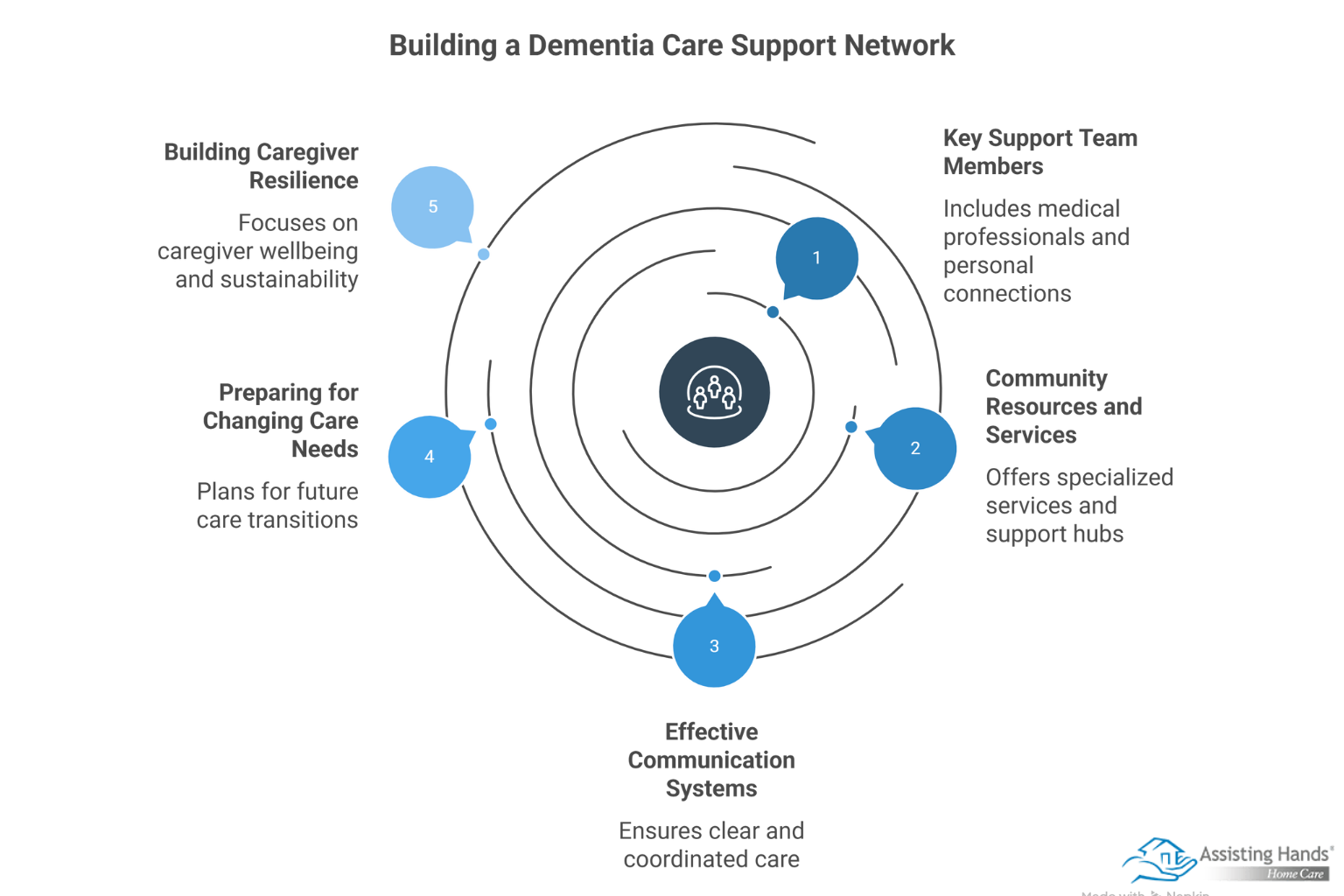
Your dementia care support network should include both professional healthcare providers and personal connections who can offer different types of assistance. Start by establishing relationships with essential medical professionals, including a geriatrician or neurologist specializing in dementia care, a primary care physician, and potentially a psychiatrist who can address behavioral changes and mood disorders commonly associated with dementia.
Beyond medical professionals, consider including a social worker who understands dementia-related services and can help you navigate available resources. Many communities have geriatric care managers who specialize in coordinating care for older adults with complex needs. These professionals can assess your loved one’s current situation and recommend appropriate services and support options.
Personal support team members might include family members, close friends, neighbors, and faith community members who are willing to provide regular assistance. Adult day programs and respite care services also become valuable team members, offering structured activities and professional supervision that gives primary caregivers necessary breaks.
Don’t overlook the importance of including your loved one with dementia in support network decisions whenever possible. Early-stage dementia often allows individuals to express preferences about their care and participate in planning discussions. Their input ensures the support network aligns with their values and desires.
Many seniors prefer aging in place over moving to assisted living facilities. If your senior loved one needs assistance to remain safe and comfortable while living at home, reach out to Assisting Hands Home Care, a leading elder care agency. Our dedicated in-home caregivers can assist with meal prep, bathing and grooming, exercise, medication reminders, and many other important tasks.
Leverage Community Resources and Services
Most communities offer specialized services designed specifically for dementia care that can significantly strengthen your support network. Adult day programs provide structured activities, social interaction, and professional supervision during daytime hours. These programs often include memory-stimulating activities, music therapy, and gentle exercise programs tailored for people with cognitive impairments.
Local Area Agencies on Aging serve as valuable resource hubs, connecting families with services like meal delivery, transportation assistance, and in-home support services. Many areas also have memory care centers that offer educational programs, support groups, and resource libraries for both caregivers and families.
Religious organizations and community centers frequently sponsor dementia-friendly activities and volunteer programs. These groups can provide regular social interaction opportunities and may offer respite care services staffed by trained volunteers who understand dementia care needs.
Professional home care services expand your support network by providing skilled assistance with daily activities, medication organization, and safety supervision. These services range from companion care to skilled nursing, allowing you to customize support based on your loved one’s changing needs and progression of the disease.
Aging in place can present a few challenges for seniors living with dementia. However, they can still live independently at home with the help of professional dementia care. Portland families can rely on Assisting Hands Home Care to provide their elderly loved ones with mental and social stimulation, timely medication reminders, assistance with meal prep, and much more. Our caregivers are available around the clock to help your loved one live a happier and healthier life.
Create Effective Communication Systems
Establishing clear communication channels among support network members prevents confusion and ensures coordinated care. Consider creating a shared calendar system that tracks medical appointments, medication schedules, and caregiver responsibilities. Digital platforms like family communication apps or shared documents can keep everyone informed about daily routines, care preferences, and any changes in your loved one’s condition.
Regular team meetings, whether in person or virtual, provide opportunities to discuss care concerns, share observations, and adjust support strategies as needed. These meetings should include both professional care providers and family members to ensure comprehensive communication about your loved one’s needs and progress.
Develop standardized communication protocols for emergency situations and urgent care decisions. Ensure all support network members know who to contact in different scenarios and have access to important medical information, insurance details, and emergency contact numbers.
Documentation systems maintain continuity of care across different support network members. Care logs that track daily activities, mood changes, medication effects, and notable incidents provide valuable information for healthcare providers and help family members understand patterns in behavior or health status.
Prepare for Changing Care Needs
Dementia progression requires your support network to adapt and expand over time. Early planning for future care needs ensures smooth transitions as symptoms advance. Research long-term care options in your area, including memory care facilities, and maintain places on waiting lists for preferred facilities even if immediate placement isn’t necessary.
Financial planning becomes crucial as care needs intensify. Connect with elder law attorneys who specialize in dementia care planning to understand options for protecting assets while ensuring access to necessary services. Many support network members can assist with researching insurance benefits, veterans’ benefits, and other financial resources.
Safety modifications to the home environment may require additional support network members with specific expertise. Occupational therapists can assess home safety needs, while contractors familiar with dementia-friendly modifications can implement necessary changes like secure door locks, enhanced lighting, and bathroom safety features.
As dementia progresses, the support network often needs to include specialists in behavioral management, nutrition counseling, and end-of-life care planning. Building relationships with these professionals before urgent needs arise ensures smoother transitions and better continuity of care.
Build Caregiver Resilience and Sustainability
A strong dementia care support network must prioritize the wellbeing of primary caregivers to ensure long-term sustainability. Caregiver burnout poses significant risks to both you and your loved one, making regular respite care and emotional support essential network components.
Support groups specifically for dementia caregivers provide opportunities to share experiences, learn coping strategies, and build relationships with others facing similar challenges. Many support groups are now available both in person and online, making participation more accessible for busy caregivers.
Professional counseling services help caregivers process the emotional challenges of dementia care, including grief over losses, frustration with difficult behaviors, and stress from increased responsibilities. Some counselors specialize in dementia family dynamics and can provide targeted strategies for managing care-related stress.
Training programs for family caregivers offer practical skills for managing dementia symptoms, communicating effectively, and providing safe care. Organizations like the Alzheimer’s Association offer comprehensive training programs that can strengthen the entire support network’s effectiveness.
One of the most challenging tasks of helping an elderly relative age in place safely and comfortably is researching agencies that provide homecare services. Portland families can turn to Assisting Hands Home Care for reliable, high-quality in-home care for aging adults. We offer 24-hour care for seniors who require extensive assistance, and we also offer respite care for family caregivers who need a break from their caregiving duties. To learn more about our reliable, compassionate in-home care services, contact us today.
