
Chronic stress in older adults can gradually disrupt how the brain processes, stores, and retrieves information, leading to noticeable changes in memory performance over time. When stress becomes long-term rather than temporary, it affects attention span, slows cognitive processing, and reduces the brain’s ability to form new memories efficiently. This doesn’t happen overnight but develops through repeated exposure to emotional strain, poor sleep, and hormonal imbalance. Over time, seniors may notice forgetfulness in daily tasks, difficulty recalling recent conversations, or trouble focusing on simple routines. The key concern is that ongoing stress doesn’t only affect mood, it can physically change how the brain functions, especially in areas responsible for memory consolidation such as the hippocampus. Understanding this connection is essential for early support and preventive care strategies that protect cognitive health in aging populations.
Understanding How Stress Hormones Affect the Aging Brain
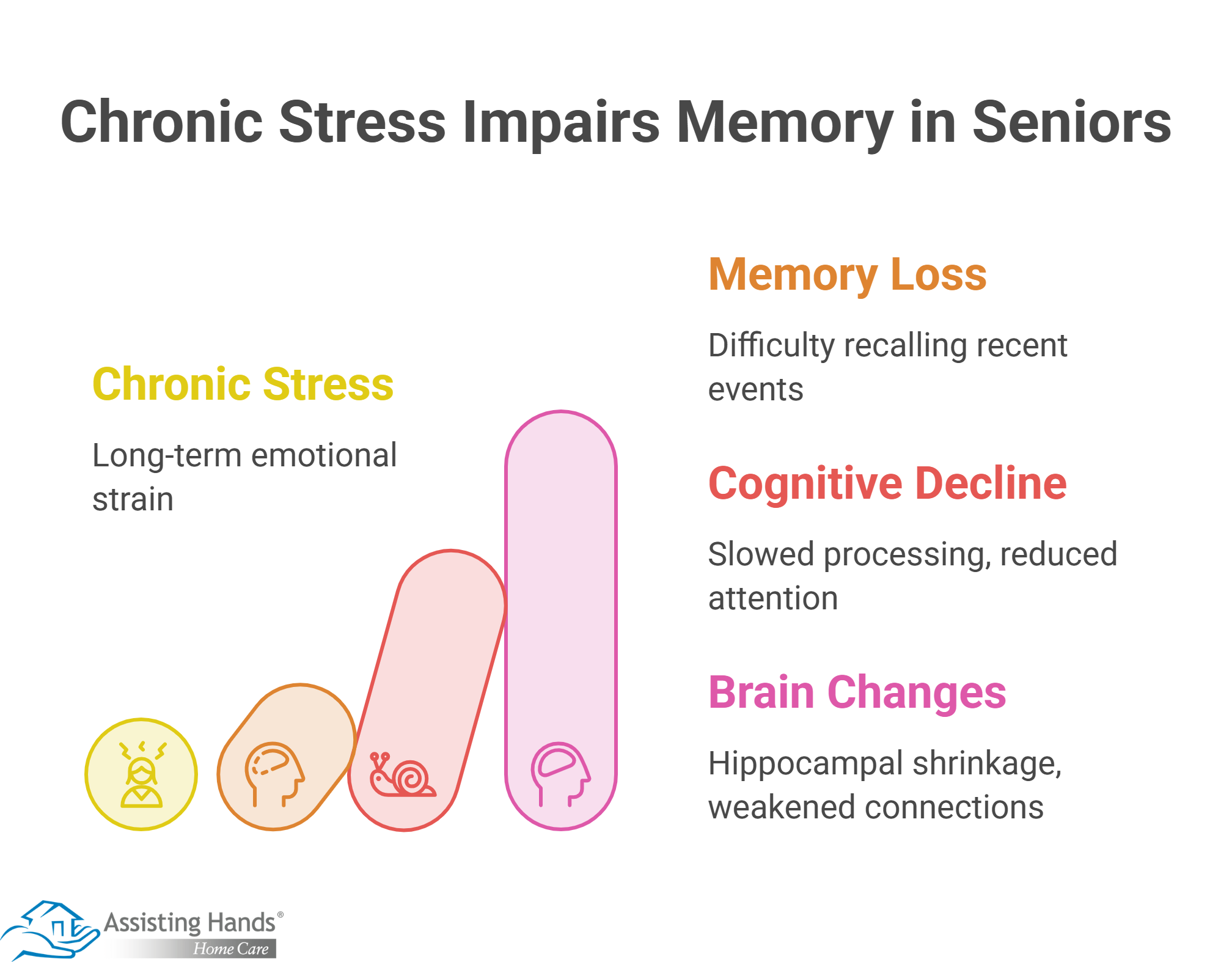
When stress occurs, the body releases hormones such as cortisol and adrenaline, which are useful in short bursts but harmful when elevated for long periods. In older adults, prolonged exposure to these hormones can weaken neural connections in the brain, especially in regions responsible for learning and memory. Research shows that chronic cortisol elevation may shrink the hippocampus, making it harder to retain new information. When it comes to home care in Portland, seniors often receive structured routines and emotional stability that regulate stress responses. This balance is important because the aging brain becomes more sensitive to hormonal fluctuations, meaning even moderate stress can have amplified effects on memory performance and attention span over time.
Early Signs of Stress-Related Memory Decline in Seniors
Recognizing early warning signs of stress-related memory decline can help families intervene before symptoms worsen. Seniors may begin to show mild confusion, repetitive questioning, or difficulty remembering recent events while still recalling long-term memories clearly. These changes are often subtle at first and may be mistaken for normal aging, but stress accelerates their progression. Emotional symptoms such as irritability, anxiety, and withdrawal from social interaction often appear alongside memory issues. Sleep disturbances and reduced concentration are also common indicators. Identifying these signs early allows caregivers and families to adopt supportive strategies that reduce cognitive overload and boost emotional wellbeing before more serious decline develops.
The Biological Connection Between Cortisol and Cognitive Function
Cortisol, often called the stress hormone, plays a central role in how stress impacts memory and cognition. While short-term cortisol release helps the body respond to challenges, chronic elevation disrupts synaptic communication in the brain. This interference affects how memories are encoded and retrieved, leading to forgetfulness and slower thinking. Over time, high cortisol levels can impair neuroplasticity, reducing the brain’s ability to adapt and form new neural pathways. Seniors are particularly vulnerable because natural aging already reduces brain flexibility. This combination makes stress management essential for maintaining cognitive clarity, emotional balance, and long-term mental health stability.
Lifestyle Factors that Increase Stress in Older Age Groups
Many everyday lifestyle factors can unintentionally increase stress levels in older adults, contributing to memory-related concerns. Social isolation, chronic health conditions, financial worries, and reduced physical activity all play a significant role in elevating stress responses. Additionally, lack of structured routines can lead to cognitive overload, making it harder for seniors to manage daily responsibilities. Poor diet and irregular sleep further intensify stress reactions in the body and brain. When combined, these factors create a cycle that negatively impacts both emotional and cognitive health. Addressing these lifestyle challenges early can significantly reduce stress-related memory decline and enhance overall quality of life.
How Daily Support Systems Reduce Cognitive Strain
Consistent emotional and practical support plays a crucial role in reducing cognitive strain in older adults. When seniors receive assistance with daily tasks, they experience less mental pressure and increased emotional stability, which directly benefits memory function. Structured routines, social engagement, and gentle reminders help the brain focus on meaningful activities rather than stress triggers. Support systems also reduce feelings of loneliness, which is strongly linked to cognitive decline. By maintaining a calm and predictable environment, caregivers can minimize overstimulation and confusion. This type of balanced support allows seniors to preserve mental clarity and maintain independence for a longer period.
The Role of Professional Care in Managing Emotional and Memory Health
Professional caregiving services provide structured emotional and cognitive support that can significantly reduce stress-related memory decline. Trained caregivers understand how to identify early cognitive changes and respond with appropriate interventions. In services such as dementia care in Portland, specialized support is designed to enhance memory retention, reduce anxiety, and promote mental stimulation through guided activities. This approach not only supports individuals with existing cognitive challenges but also slows progression in those experiencing early symptoms. Emotional reassurance, routine management, and personalized care plans create a stable environment where stress levels are minimized, supporting long-term brain health.
Comparative Table: Normal Aging vs Stress-Driven Memory Loss
| Feature | Normal Aging | Stress-Driven Memory Loss |
| Memory Recall | Occasional forgetfulness, quickly recovered | Frequent lapses, difficulty retrieving recent memories |
| Cognitive Speed | Mild slowing with age | Noticeable delay in thinking and processing |
| Emotional Stability | Generally stable mood | Increased anxiety, irritability, mood swings |
| Sleep Patterns | Slight changes, lighter sleep | Disrupted sleep, frequent waking |
| Daily Functioning | Independent with minor support | Difficulty managing routine tasks |
This comparison highlights how stress amplifies typical aging patterns into more noticeable cognitive challenges. While normal aging involves gradual changes, stress accelerates memory disruption by affecting both emotional regulation and brain chemistry. Understanding these differences helps families and caregivers identify when intervention is necessary. Early recognition allows for lifestyle adjustments, emotional support, and structured care strategies that can significantly boost cognitive health and long-term mental stability.
Sleep Disruption and Its Impact on Memory Retention
Sleep plays a vital role in memory consolidation, and when stress disrupts sleep patterns, memory performance declines significantly. Older adults experiencing chronic stress often experience insomnia, light sleep, or frequent nighttime awakenings. These disruptions prevent the brain from properly processing and storing new information, leading to forgetfulness during the day. Over time, poor sleep quality can also increase cortisol levels, further worsening stress-related cognitive issues. Establishing consistent sleep routines, reducing nighttime stimulation, and creating a calm environment can restore healthy sleep cycles and boost memory retention in seniors.
Emotional Wellbeing and Its Role in Long-Term Brain Health
Emotional wellbeing is closely linked to cognitive performance, especially in older adults. Positive emotional experiences support brain function by reducing stress hormone levels and enhancing neural connectivity. Conversely, prolonged emotional distress can contribute to memory problems and reduced mental clarity. Engaging in social interaction, meaningful activities, and supportive relationships helps seniors maintain emotional balance. Emotional stability not only boosts mood but also enhances focus and information processing. Protecting emotional health is therefore a key strategy in preserving long-term cognitive resilience and preventing stress-related memory decline.
Preventive Strategies to Slow Down Stress-Linked Memory Decline
Preventing stress-related memory decline involves a combination of lifestyle adjustments, emotional support, and structured care. Regular physical activity, balanced nutrition, mindfulness practices, and social engagement all contribute to reducing stress levels. Establishing predictable daily routines can minimize cognitive overload and enhance mental organization. In some cases, professional support such as respite care in Portland provides temporary relief for caregivers while ensuring seniors continue receiving consistent attention. These preventive strategies work together to stabilize emotional health and protect memory function over time.
Building a Safer Routine for Cognitive Stability in Seniors
Creating a structured and supportive daily routine is one of the most effective ways to maintain cognitive stability in older adults. Consistency in mealtimes, sleep schedules, and daily activities reduces uncertainty and lowers stress levels. Incorporating gentle mental exercises such as reading, puzzles, or conversation keeps the brain active without overwhelming it. Emotional reassurance from caregivers or family members further strengthens cognitive resilience. A stable environment reduces confusion and enhances memory retention, allowing seniors to maintain independence and confidence in their daily lives.
Frequently Asked Questions
Can stress really cause memory loss in older adults?
+
Yes, chronic stress can negatively affect memory by disrupting brain function and increasing cortisol levels. Over time, this can lead to forgetfulness and reduced concentration.
How do I know if memory problems are stress-related?+
If memory issues are accompanied by anxiety, sleep problems, or emotional changes, stress may be a contributing factor. A professional evaluation can confirm this.
Can reducing stress enhance memory in seniors?+
Yes, lowering stress through routines, relaxation, and support systems can boost cognitive clarity and memory performance over time.
Is stress-related memory loss permanent?+
In many cases, it isn’t permanent. With proper care, lifestyle changes, and emotional support, memory function can increase significantly.
What’s the best way to support an older adult with stress-related memory issues?+
Providing structured routines, emotional support, and professional care services can reduce stress and enhance cognitive stability.
