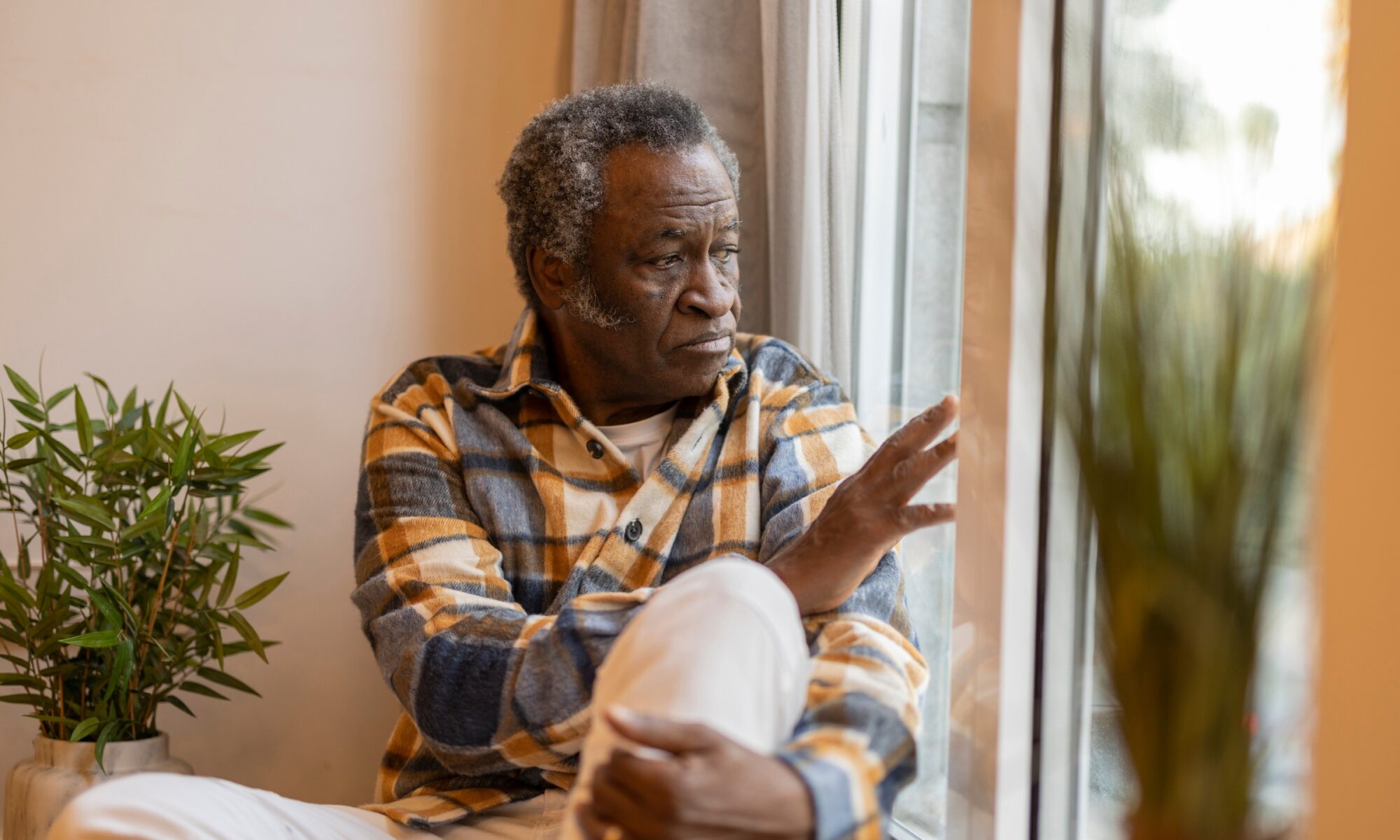
Social isolation affects millions of older adults and significantly increases dementia risk. Research shows that prolonged loneliness can accelerate cognitive decline by up to 40 percent. Understanding this connection empowers you to take proactive steps to protect your senior loved one’s brain health through meaningful social engagement.
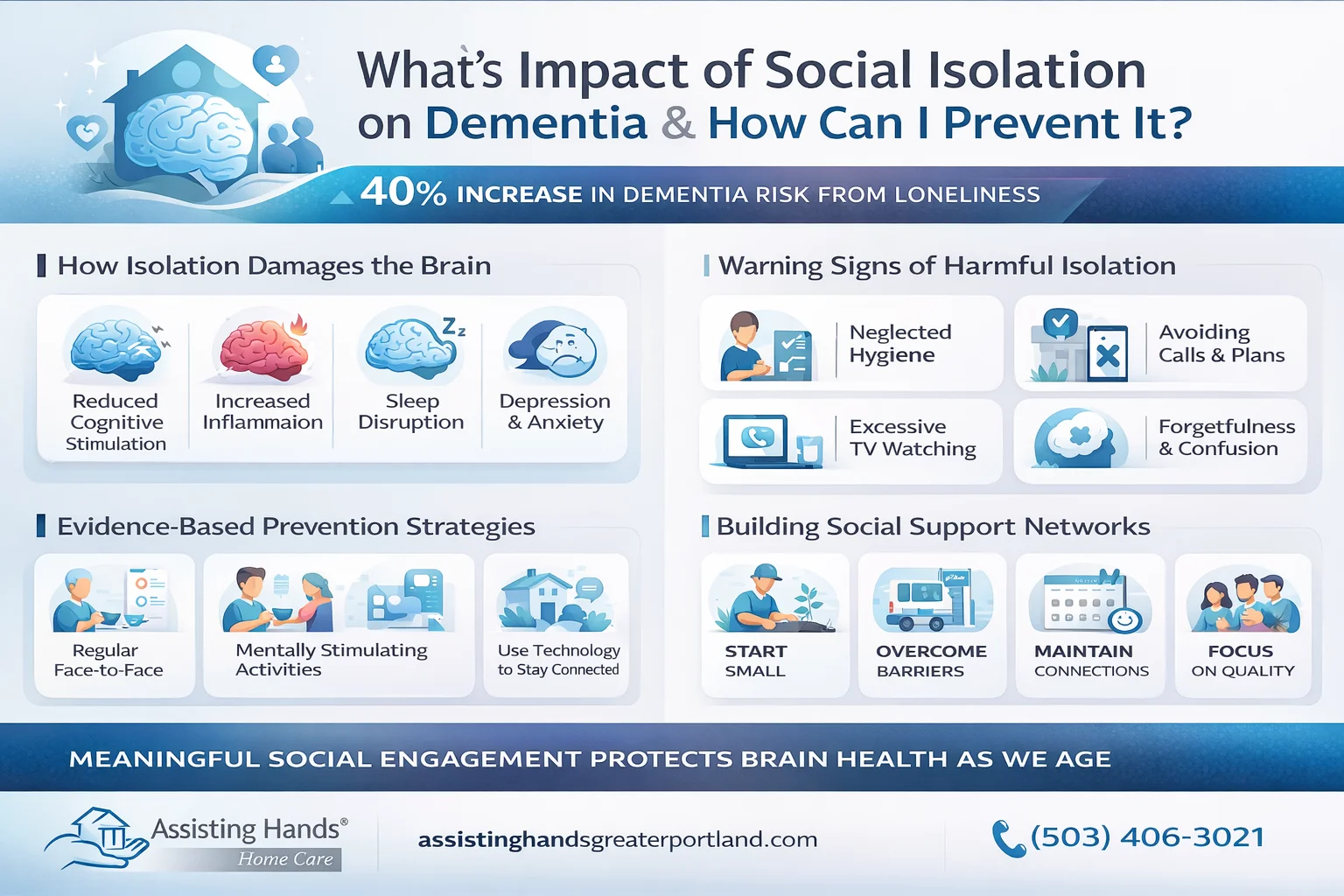
How Social Isolation Damages the Brain
When we lack regular social interaction, our brains undergo measurable changes that mirror early dementia symptoms. Social isolation triggers chronic stress responses that damage the hippocampus, the brain region crucial for memory formation.
Key neurological impacts include:
- Reduced cognitive stimulation – Without conversation and social challenges, neural pathways weaken.
- Increased inflammation – Loneliness elevates cortisol levels, leading to brain tissue damage.
- Sleep disruption – Social isolation often causes sleep problems, which impair memory consolidation.
- Depression and anxiety – These conditions double dementia risk when left untreated.
Studies tracking thousands of participants over decades consistently show that socially isolated individuals develop dementia at twice the rate of those with strong social networks.
Social isolation can result in mental, emotional, and physical challenges for aging adults, but seniors don’t have to manage them alone. Aging in place can present a few unique challenges for older adults. Some only require part-time assistance with exercise or meal preparation, while others are living with serious illnesses. If your elderly loved one needs around-the-clock live-in care, turn to Assisting Hands Home Care Portland. Our caregivers encourage seniors to focus on eating nutritious foods, exercising on a regular basis, maintaining strong social ties, and other lifestyle factors known to increase longevity.
Warning Signs of Harmful Social Isolation
Recognizing isolation early allows for timely intervention. Watch for these behavioral changes in your loved one:
- Declining personal hygiene or home maintenance
- Avoiding phone calls or canceling social plans repeatedly
- Loss of interest in previously enjoyed activities
- Increased television watching or passive entertainment consumption
- Difficulty following conversations or remembering recent interactions
- Changes in sleep patterns or appetite
Even naturally introverted people need regular meaningful contact with others to maintain cognitive health.
Evidence-Based Prevention Strategies
Research identifies specific social activities that offer the strongest protection against cognitive decline:
Regular face-to-face interaction
- Schedule weekly coffee dates or lunch meetings with friends.
- Join clubs or groups aligned with your interests.
- Attend religious services or community gatherings.
- Volunteer for local organizations.
- Play card games, board games, or puzzles with others.
- Join book clubs or discussion groups.
- Take classes at community centers or libraries.
- Participate in group learning experiences like cooking or crafts.
Technology-enhanced connection
- Video calls with family members who live far away
- Online communities focused on shared hobbies
- Social media platforms designed for older adults
- Virtual reality experiences that simulate social interaction
Social activity is only one of many components that contribute to robust mental and physical health in seniors. Not every senior has the same care needs, which means they don’t all need the same type of senior care in Portland. Families can rely on Assisting Hands Home Care to provide individualized care plans to meet their elderly loved ones’ unique care needs. Our caregivers help seniors focus on healthy lifestyle habits such as eating nutritious foods, exercising regularly, and maintaining strong social ties, and we offer mentally stimulating activities that can boost cognitive health and delay the onset of dementia.
Building and Maintaining Social Support Networks
Creating lasting connections requires intentional effort, especially as mobility or energy levels change with age.
Start small and build gradually
- Commit to one social activity per week initially.
- Choose low-pressure environments like walking groups or gardening clubs.
- Accept invitations even when you don’t feel motivated.
- Focus on the quality of relationships rather than quantity.
Overcome common barriers
- Transportation challenges – Explore ride-sharing services or community transport programs.
- Physical limitations – Look for seated activities or adaptive programs.
- Financial constraints – Many community centers offer free or sliding-scale programs.
- Social anxiety – Begin with structured activities that provide natural conversation topics.
Maintain existing relationships
- Schedule regular check-ins with old friends.
- Send birthday cards or holiday greetings.
- Share photos and updates about your life.
- Be the one who reaches out first—don’t wait for others to initiate.
Creating Dementia-Protective Environments
Your living situation significantly influences social connection opportunities and cognitive stimulation levels.
Home modifications
- Create welcoming spaces for visitors.
- Install good lighting for reading and activities.
- Ensure comfortable seating for conversations.
- Remove barriers that make hosting difficult.
Community involvement
- Research local senior centers and their programming.
- Explore faith-based communities if spirituality matters to you.
- Consider moving to areas with walkable amenities and social opportunities.
- Investigate senior living communities that prioritize social engagement.
Intergenerational connections
- Spend time with grandchildren or young relatives.
- Mentor young people through formal programs.
- Participate in intergenerational housing arrangements.
- Volunteer at schools or youth organizations.
Regular social engagement combined with physical activity and cognitive challenges creates the most powerful defense against dementia. The key is starting these protective behaviors before symptoms appear, making social connection a lifelong priority rather than an afterthought.
If your loved one is already facing the challenges of dementia, social interaction is still vital for boosting cognitive health. Aging in place can present a few challenges for seniors living with dementia. However, with professional dementia care Portland seniors can trust, they can still live independently at home. Families can rely on Assisting Hands Home Care to provide their elderly loved ones with mental and social stimulation, timely medication reminders, assistance with meal prep, and much more. Our caregivers are available around the clock to help your loved one live a happier and healthier life. Call us today to create a customized in-home care plan.
