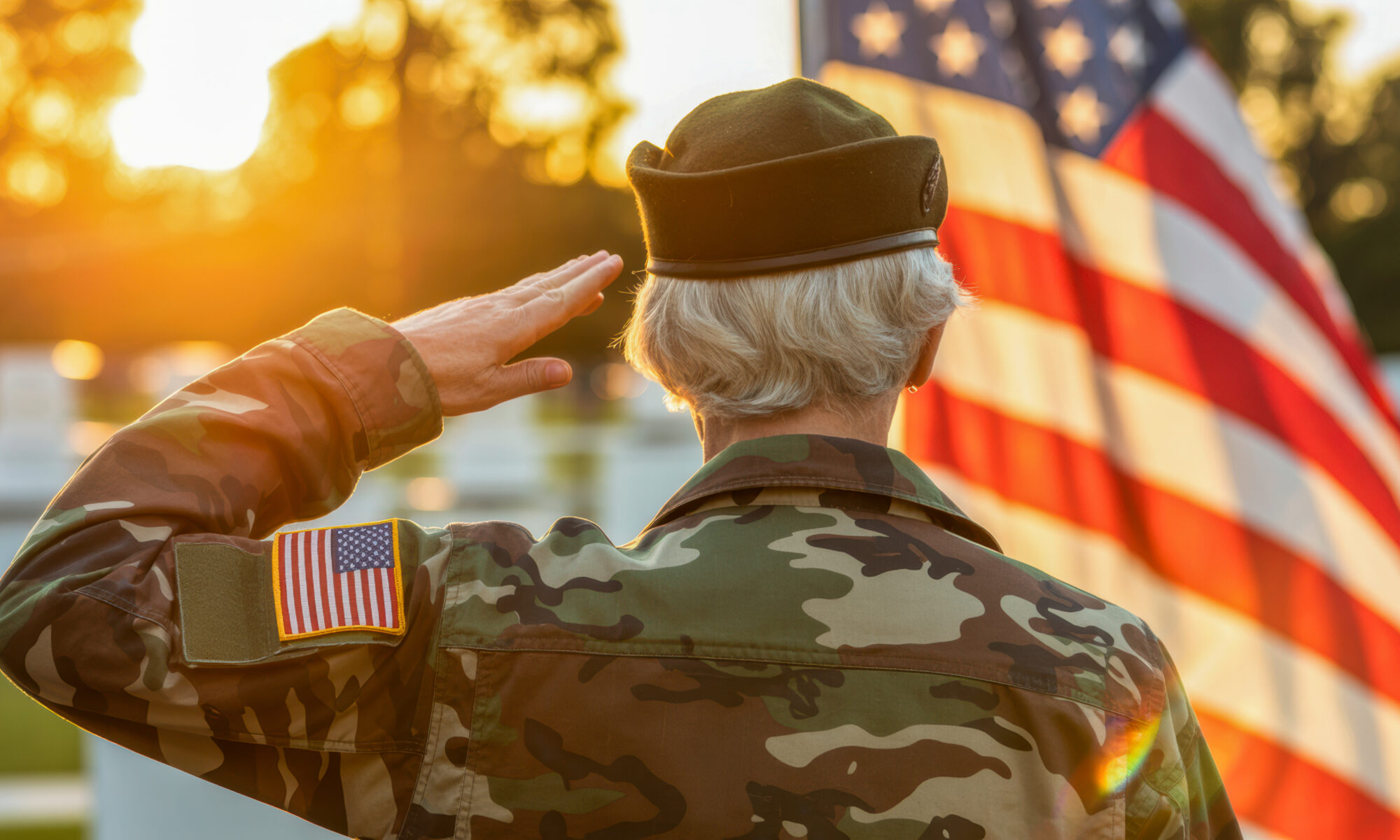
Memorial Day gatherings often bring families together, but for older adults, these events can introduce hidden risks that require thoughtful planning and supervision. Seniors may face challenges such as mobility limitations, medication timing conflicts, dehydration, and sensory overload in crowded or noisy environments. Caregivers play an essential role in creating a safer experience by anticipating potential hazards, maintaining consistent routines, and ensuring medical and emotional needs are met throughout the day. When proper safety measures are in place, seniors can actively participate in celebrations while reducing the risk of falls, confusion, or health complications. A well-structured care approach allows families to focus on connection, remembrance, and shared experiences without compromising senior well-being.
Understanding Safety Risks for Seniors During Memorial Day Events
Holiday gatherings often involve outdoor activities, travel, and long hours of social interaction, all of which can present challenges for older adults. One important factor in managing these risks is access to professional support such as home care Portland, which helps families ensure seniors receive consistent supervision and assistance during high-activity events. Common risks include uneven outdoor surfaces, heat exposure, crowded spaces, and delayed meal times. Seniors with chronic conditions such as arthritis, diabetes, or heart disease may also experience symptom flare-ups during extended gatherings. Caregivers help mitigate these risks by observing environmental conditions, adjusting schedules, and ensuring mobility support is always available. Proactive planning is essential to maintain safety while allowing seniors to participate comfortably in meaningful family traditions.
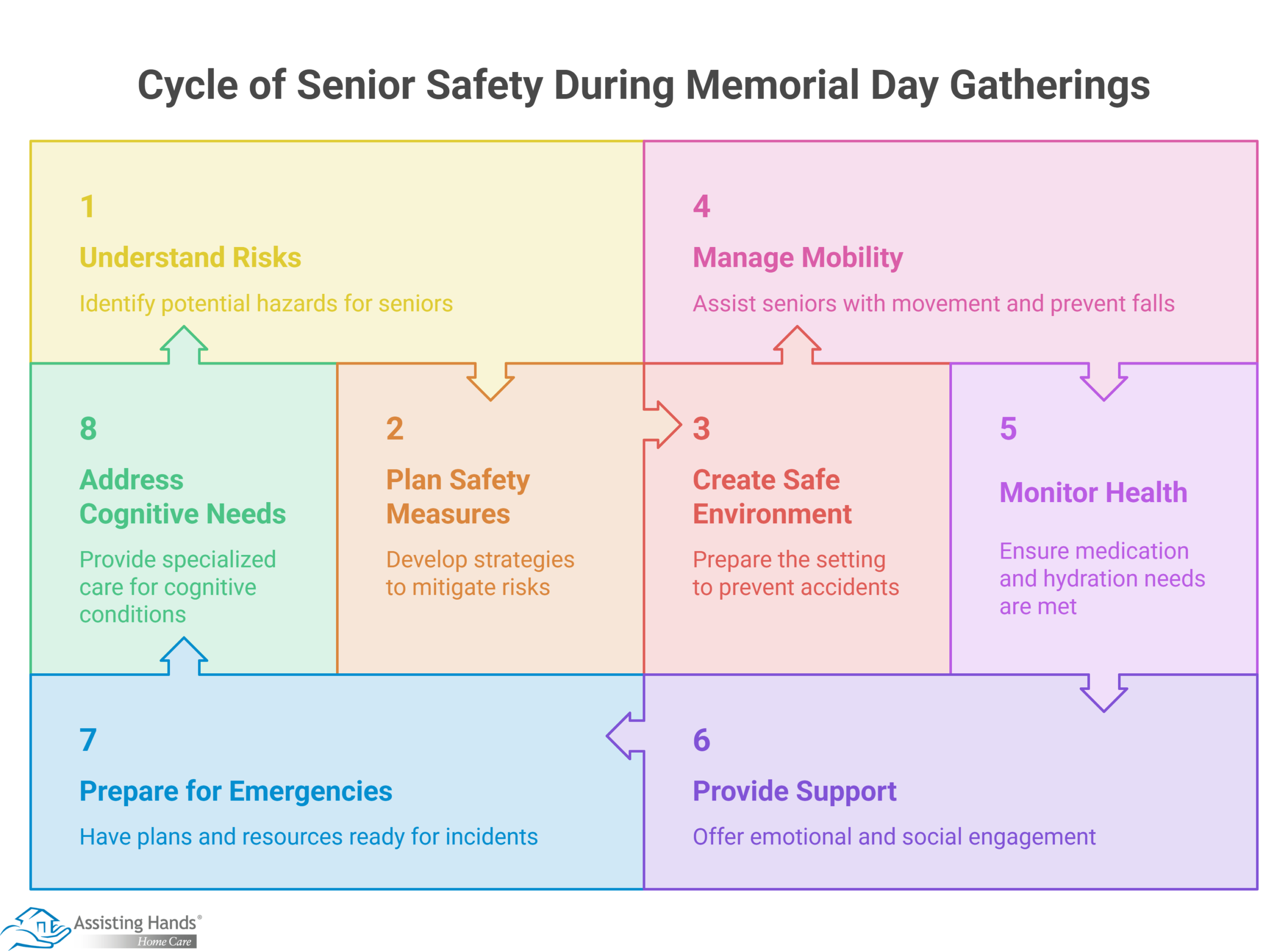
Why Seniors Are More Vulnerable in Social Holiday Gatherings
Older adults often experience reduced balance, slower reflexes, and decreased stamina, making them more vulnerable in dynamic environments like holiday cookouts or public events. Loud environments can also cause confusion or anxiety, especially for individuals with sensory impairments. Additionally, seniors may feel social pressure to participate beyond their physical comfort level, increasing fatigue or risk of injury. Emotional factors also play a role, as large gatherings can sometimes trigger stress or overwhelm. Caregivers must monitor both physical and emotional cues closely, ensuring seniors have quiet spaces to rest and recover when needed. Understanding these vulnerabilities allows families to build safer, more inclusive gatherings that prioritize dignity and comfort.
The Role of Caregivers in Holiday Safety Planning
Caregivers act as both planners and protectors during Memorial Day events, ensuring every aspect of a senior’s day is structured for safety. This includes preparing transportation, reviewing medical needs, and identifying safe seating and resting areas in advance. They also coordinate with family members to ensure responsibilities are shared effectively. In many cases, caregivers help seniors transition smoothly between activities without unnecessary strain. Their role is not limited to physical assistance but also includes emotional reassurance and companionship. By maintaining awareness of the senior’s condition throughout the event, caregivers can quickly respond to any changes in health or comfort levels, preventing minor issues from becoming emergencies.
Creating a Safe Environment at Home or Outdoor Gatherings
A safe environment is the foundation of any successful Memorial Day celebration involving seniors. Whether the event is indoors or outdoors, careful preparation helps reduce accidents and confusion. This includes removing tripping hazards, ensuring adequate lighting, providing shaded seating, and keeping pathways clear. Food and drink stations should be easily accessible to avoid unnecessary movement. Caregivers also ensure that temperature conditions remain comfortable and that seniors are not exposed to extreme heat or prolonged sun exposure. A well-prepared environment supports independence while reducing the need for constant intervention, allowing seniors to enjoy the gathering more freely.
Mobility and Fall Prevention Strategies for Older Adults
| Risk Factor | Caregiver Intervention Strategy |
| Uneven outdoor surfaces | Use walking aids and stabilize pathways |
| Fatigue from standing | Provide frequent seated rest breaks |
| Poor lighting areas | Improve visibility with portable lighting |
| Crowded movement spaces | Create designated safe walking zones |
| Heat-related dizziness | Ensure hydration and shaded seating |
Mobility management is one of the most critical aspects of senior safety during holiday gatherings. Caregivers must remain attentive to signs of fatigue, instability, or discomfort while guiding seniors through different areas of the event. Simple interventions such as assisting with walking, encouraging rest breaks, and ensuring proper footwear can significantly reduce fall risks. Preventive strategies are always more effective than reactive responses, especially when dealing with older adults in busy environments.
Medication Management During Busy Holiday Schedules
Holiday schedules can easily disrupt medication routines, which may lead to serious health complications if not carefully managed. Caregivers ensure that medications are taken on time, even during busy celebrations. This includes organizing pill schedules, setting reminders, and keeping emergency medications readily accessible. It is also important to monitor food interactions, especially for seniors on multiple prescriptions. Maintaining consistency in medication management helps stabilize health conditions and prevents unnecessary hospital visits during or after holiday events.
Nutrition and Hydration Monitoring at Memorial Day Events
Memorial Day gatherings often feature rich foods, but seniors require balanced nutrition and consistent hydration to maintain energy levels. Caregivers play a key role in encouraging healthy food choices and ensuring regular fluid intake throughout the event. Dehydration is a common issue, especially in warm weather, and can quickly lead to dizziness or confusion. Providing light meals, fresh fruits, and water-rich foods helps maintain stability. Monitoring portion sizes also prevents digestive discomfort and supports overall well-being during extended celebrations.
Emotional Support and Social Engagement for Seniors
Social connection is a vital part of senior well-being, especially during meaningful holidays. Caregivers help ensure seniors feel included in conversations and activities without becoming overwhelmed. Emotional support may include guiding interactions, facilitating memory sharing, or simply offering companionship during quieter moments. In cases involving specialized care services such as Veterans Care Portland, caregivers also recognize the importance of honoring personal history and emotional experiences. This support helps reduce isolation and enhances the overall holiday experience for seniors.
Emergency Preparedness and Rapid Response Planning
Even with careful planning, emergencies can still occur during large gatherings. Caregivers prepare by keeping emergency contacts, medical information, and first-aid supplies easily accessible. They also identify nearby medical facilities and ensure transportation options are available if needed. Quick response planning includes recognizing early warning signs of distress such as chest pain, confusion, or sudden weakness. Being prepared allows caregivers to act quickly and confidently, minimizing risks and ensuring timely medical attention when required.
Special Care Considerations for Memory and Cognitive Conditions
Seniors with cognitive impairments require additional attention during busy social events. Structured routines, familiar environments, and calm communication help reduce confusion and anxiety. In situations where continuous supervision is necessary, services like 24-hour care Portland provide consistent monitoring and support throughout the day and night. This level of care ensures seniors remain safe even during unpredictable moments in crowded gatherings. Caregivers also focus on simplifying instructions and maintaining familiar cues to reduce disorientation.
Supporting Cognitive Health During Family Gatherings
Memory-related challenges can become more noticeable in stimulating environments, making it essential to provide specialized support. Families often rely on services such as Alzheimer’s care Portland to ensure structured and compassionate supervision during holidays. Caregivers help seniors stay oriented by using familiar objects, gentle reminders, and calm reassurance. Limiting overstimulation and maintaining a predictable routine can significantly reduce stress and confusion. These strategies ensure that seniors with cognitive conditions can still enjoy meaningful participation in family traditions.
Frequently Asked Questions
How can caregivers ensure senior safety during Memorial Day gatherings?
+
Caregivers ensure safety by monitoring mobility, managing medication schedules, and preventing exposure to unsafe environments. They also plan to reduce risks. Their presence helps seniors stay comfortable and secure.
What are the biggest risks for seniors during holiday events?+
Common risks include falls, dehydration, overheating, and confusion in crowded spaces. These risks increase with long events. Proper planning significantly reduces these concerns.
How can families include seniors safely in outdoor celebrations?+
Families should provide shaded seating, easy access to food and water, and frequent rest breaks. Caregivers help supervise movement. This ensures participation without stress or injury.
Why is hydration important for older adults during events?+
Seniors are more prone to dehydration, which can lead to dizziness or fatigue. Regular water intake supports stability. Caregivers often monitor hydration closely throughout events.
What role does emotional support play in senior care during holidays?+
Emotional support reduces isolation and anxiety in busy environments. Caregivers encourage conversation and comfort. This improves overall well-being during celebrations.
