
Elder care plays a critical role in helping older adults access the support they need to live safely, comfortably, and with dignity. When care services are properly guided and coordinated, seniors are better positioned to receive timely help that fits their changing physical, emotional, and lifestyle needs, without unnecessary confusion or stress.
Why Access to Elder Care Services Is Essential for Aging Adults
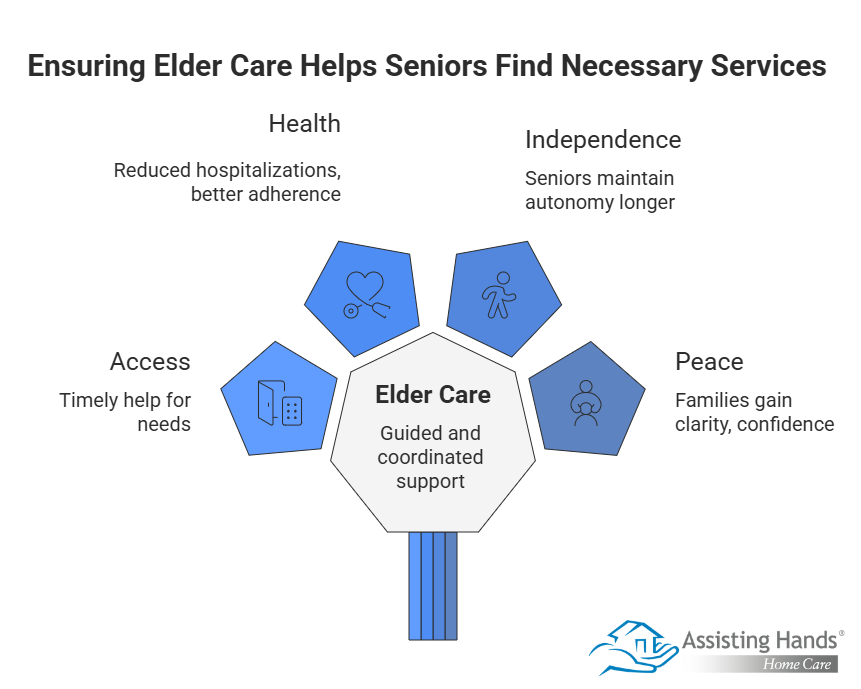
As seniors age, navigating healthcare systems, community programs, and daily living support becomes increasingly complex. Many older adults have difficulty identifying which services they qualify for or how to access them. Elder care services act as a structured support system, helping seniors connect with the right resources while avoiding delays that can negatively impact health and independence. From assistance with daily activities to coordination with healthcare professionals, elder care ensures no essential service is overlooked. Reliable elder care reduces avoidable hospitalizations, enhances medication adherence, and supports safer living environments. By addressing needs early, seniors maintain independence longer, and families gain clarity, confidence, and reassurance in care decisions.
How Care Coordination Enhances Senior Health Outcomes
Care coordination is one of the most valuable yet overlooked aspects of elder care. Older adults often see multiple providers, manage chronic conditions, and rely on various support services. Without coordination, gaps in care can quickly appear. Elder care professionals synchronize these services, ensuring communication flows smoothly between families, caregivers, and medical providers. Effective coordination leads to better health outcomes, reduced stress, and more consistent care routines. Seniors benefit from organized schedules, clear care plans, and fewer emergency interventions. Families also gain peace of mind knowing care decisions are guided by experienced professionals who understand age-related challenges and available community resources.
The Value of In-Home Elder Care Support
In-home care plays a vital role in identifying unmet needs early and connecting seniors to appropriate services. Care professionals who regularly interact with older adults can recognize subtle physical or behavioral changes that may signal the need for additional support. Families exploring home care often value this proactive approach that adapts care as needs evolve. In-home elder care allows seniors to remain in familiar surroundings while receiving personalized assistance. It supports aging in place, reduces safety risks, and boosts emotional wellbeing. This type of care also removes barriers such as transportation limitations or anxiety about unfamiliar environments, making it easier for seniors to accept and benefit from support services.
When Seniors Require Ongoing Supervision and Safety Support
Some aging adults require continuous oversight due to mobility issues, fall risks, or complex medical needs. As conditions progress, seniors may need structured supervision to remain safe at home. Services such as 24-hour care ensure consistent support throughout the day and night without disrupting familiar routines. Continuous care helps seniors avoid institutional settings while maintaining a higher quality of life. Families benefit from knowing professional support is always available, especially during overnight hours when risks are higher. This level of care also allows for quick responses to changes in health, reducing emergency situations and unnecessary hospital visits.
Addressing Cognitive Decline with Structured Support
Cognitive conditions such as dementia create unique challenges for seniors and their families. Memory loss and confusion often make it difficult for older adults to manage daily tasks or advocate for their own needs. Specialized services like Alzheimer’s care focus on preserving routine, minimizing anxiety, and creating a sense of stability. After understanding cognitive support needs, elder care professionals often focus on the following key priorities:
- Maintaining familiar daily routines to reduce confusion
- Ensuring safety through supervised activities and environment
- Supporting emotional wellbeing through reassurance and engagement
- Assisting families with long-term care planning and education
This targeted approach helps seniors maintain dignity while reducing caregiver stress.
Common Elder Care Services Seniors Need Help Accessing
Many older adults are unaware of how many services are available to support aging safely at home. Elder care professionals can match seniors with appropriate resources based on physical health, living situation, and personal preferences. These services often include:
| Service Area | Purpose | Benefit |
| Personal care assistance | Help with daily activities | Supports independence |
| Medication management | Scheduling and reminders | Reduces health risks |
| Health coordination | Appointment planning | Improves continuity of care |
| Social engagement | Companionship services | Prevents isolation |
Accessing these services early helps seniors remain active, engaged, and healthier for longer.
Why Early Elder Care Planning Makes a Difference
Delaying care decisions until a crisis often limits choices and increases emotional and financial strain. Early elder care planning allows families to explore support options calmly and involve their senior loved ones in decisions that affect their future. This collaborative approach builds trust and helps seniors feel respected rather than pressured. Planning ahead also enhances long-term outcomes. Seniors who receive early interventions experience fewer emergencies, better chronic condition management, and greater emotional stability. Families benefit from having clear roadmaps, realistic expectations, and professional guidance during each stage of aging.
Empowering Seniors Through Advocacy and Clear Communication
A key component of high-quality elder care is advocacy. Many seniors have difficulty expressing their needs or navigating complex systems independently. Elder care advocates ensure seniors’ voices are heard while helping families understand available options and next steps. Clear communication strengthens relationships between caregivers, healthcare providers, and families. Seniors feel valued, supported, and informed rather than overwhelmed. Advocacy-centered care enhances autonomy and helps older adults maintain control over their lives, even as support needs increase.
Frequently Asked Questions
How does elder care help seniors find services?
+
Elder care professionals assess individual needs and guide seniors toward appropriate medical, personal, and community services. This simplifies decisions and prevents delays in care.
When should families start planning elder care?+
Early planning is ideal, even before major health changes occur. It allows seniors to participate in decisions and reduces crisis-driven care choices.
Can elder care services change as needs evolve?+
Yes, care plans are flexible and updated regularly. Services can be adjusted as physical, cognitive, or emotional needs change over time.
Does elder care only focus on physical assistance?+
No, elder care supports physical health, emotional wellbeing, safety, and social connection. A holistic approach enhances overall quality of life.
How does elder care reduce family stress?+
Professional guidance helps families share responsibilities, enhance communication, and avoid burnout. Coordinated care creates confidence and clarity.
