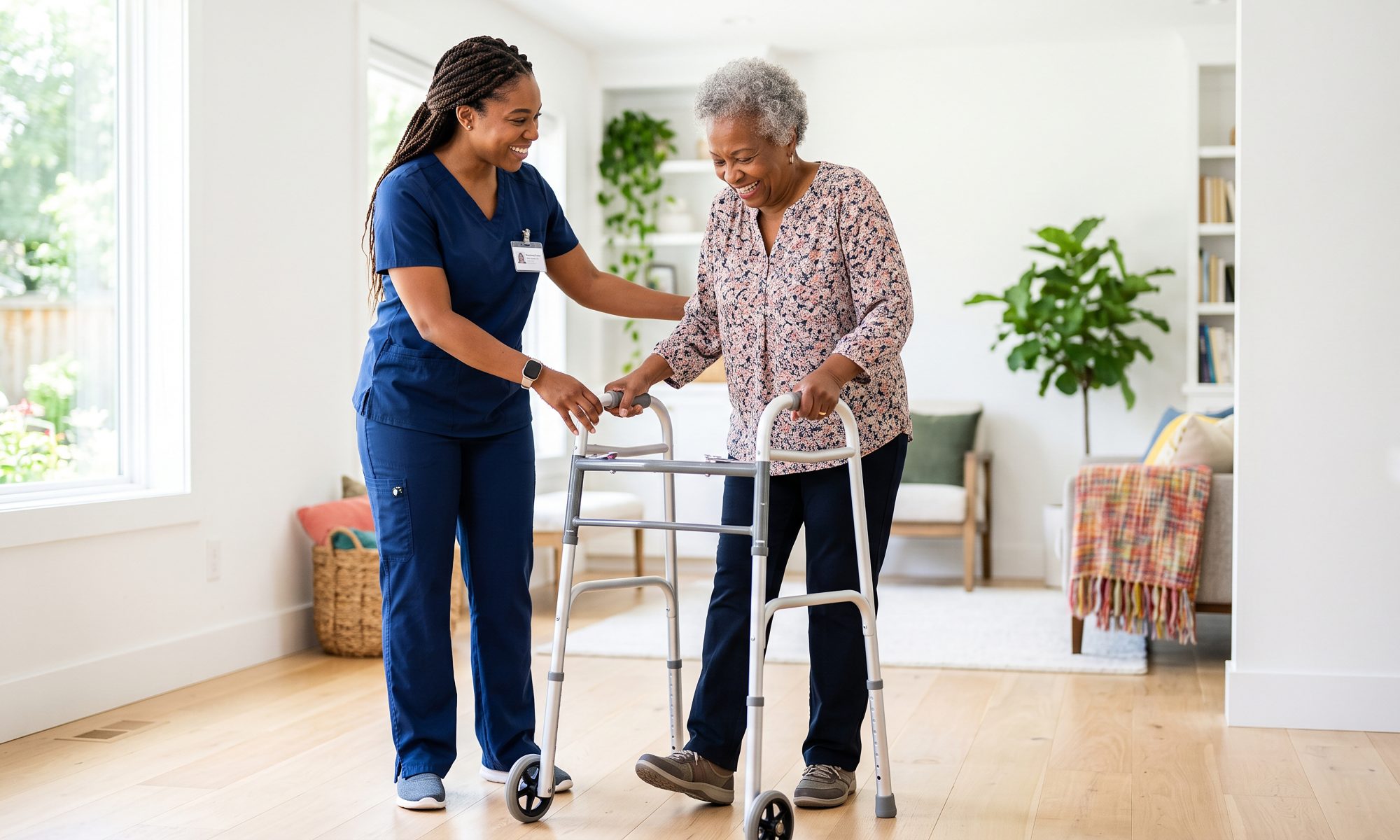
In-home care for rheumatoid arthritis focuses on reducing joint pain and preserving mobility through consistent daily routines, gentle exercise, assistive devices, and careful monitoring of symptoms. Caregivers can help with managing flare-ups, support medication schedules, and adapt home environments to reduce strain on affected joints, allowing their senior loved ones to maintain independence and comfort.
Rheumatoid arthritis (RA) is a chronic autoimmune condition that causes inflammation, stiffness, and pain in the joints, often making everyday tasks feel exhausting. Consistent in-home support can make a significant difference in slowing joint damage and easing daily discomfort. This guide breaks down practical strategies for managing RA symptoms and preserving joint function at home.
How Can Daily Routines Help Seniors Manage Rheumatoid Arthritis Symptoms?
Predictable routines reduce unnecessary strain on joints and help the body conserve energy throughout the day. A structured daily schedule allows caregivers to anticipate pain patterns, especially morning stiffness, which is common among people with RA.
- Schedule demanding tasks during times of day when joint stiffness is typically lower.
- Build in regular rest periods to prevent overexertion.
- Keep a symptom journal to track flare-ups and identify triggers.
- Maintain consistent sleep patterns to support the body’s natural recovery process.
What Types of Exercise Are Safe for People with Rheumatoid Arthritis?
Low-impact movement preserves joint flexibility without adding excess stress to inflamed areas. Gentle consistent activity is generally more beneficial than intense workouts, which can aggravate RA symptoms.
- Range-of-motion exercises to maintain flexibility in fingers, wrists, and knees
- Water-based exercises, which reduce joint impact while still building strength
- Short daily walks to support cardiovascular health without overloading joints
- Stretching routines to ease stiffness, particularly after periods of rest
Portland in-home care experts are available to provide high-quality care to seniors on an as-needed basis. From assistance with mobility and exercise to providing transportation to the doctor’s office and social events, there are a variety of ways professional caregivers can help your aging loved one continue to live independently.
How Can the Home Be Adapted to Support Joint Function?
Small changes to the home environment can significantly reduce joint stress during everyday activities. Adaptive tools and thoughtful layout adjustments help individuals maintain independence while minimizing pain.
- Install lever-style door handles and faucet controls instead of twist knobs.
- Use jar openers and other grip-assist tools in the kitchen.
- Add raised toilet seats and grab bars in bathrooms to ease pressure on hips and knees.
- Rearrange frequently used items to avoid excessive reaching or bending.
What Role Does Diet Play in Managing Rheumatoid Arthritis Pain?
Certain foods can influence inflammation levels, which directly affects joint pain and stiffness. While diet alone cannot replace a treatment plan, it can complement other pain management strategies.
- Incorporate anti-inflammatory foods like fatty fish, leafy greens, and berries.
- Limit processed foods and added sugars, which may worsen inflammation.
- Stay hydrated to support joint lubrication and overall bodily function.
- Monitor for individual food sensitivities that may trigger flare-ups.
How Can Caregivers Support Emotional Wellbeing alongside Physical Care?
Living with chronic pain can take a toll on mental health, making emotional support just as important as physical care. Caregivers who acknowledge these challenges create a more supportive, sustainable care environment.
- Encourage open communication about pain levels and frustrations.
- Support participation in hobbies that don’t strain affected joints.
- Help your loved one maintain social connections to reduce feelings of isolation.
- Recognize signs of depression or anxiety, which are common among those with chronic illness.
Families who find it difficult to care for their aging loved ones without assistance can benefit greatly from professional respite and overnight home care Portland seniors can rely on. Family caregivers who need a break from their caregiving duties can turn to Assisting Hands Home Care. Our caregivers can encourage your loved one to eat well, exercise regularly, get plenty of mental and social stimulation, and focus on other lifestyle factors that promote longevity.
Professional caregivers can be a tremendous asset for aging adults with health conditions that make it difficult to handle the activities of daily living on their own. Certain age-related conditions can make it more challenging for seniors to age in place safely and comfortably, but Portland 24-hour home care experts are available around the clock to help seniors manage their health. At Assisting Hands Home Care, we take measures to help seniors prevent illness and injury by assisting with exercise and mobility, preparing nutritious meals, helping with bathing and other personal hygiene tasks, and much more. Call one of our friendly Care Specialists today to learn more about our customized care plans
Frequently Asked Questions
Is rheumatoid arthritis the same as osteoarthritis?
+
No. Rheumatoid arthritis is an autoimmune condition where the immune system attacks joint tissue, while osteoarthritis results from wear and tear on the joints over time.
Can rheumatoid arthritis affect organs besides the joints?
+
Yes. RA can also impact the skin, eyes, lungs, and cardiovascular system in some individuals.
Does cold weather make rheumatoid arthritis symptoms worse?
+
Many people with RA report increased stiffness and discomfort in colder temperatures, though this varies by individual.
How long do rheumatoid arthritis flare-ups typically last?
+
Flare-ups can last anywhere from a few days to several weeks, depending on the severity and underlying triggers.
Can stress trigger rheumatoid arthritis flare-ups?
+
Yes. Stress is a commonly reported trigger for RA flare-ups, making stress management an important part of an overall care routine.
